Heavy Item Disposal in Singapore: Pianos, Safes, Gym Equipment and Other Awkward Pieces
By Junk Value Team
Every flat has one. The upright piano nobody has played in years. A concrete-filled safe the previous owner left behind with no code. A treadmill that became a permanent clothes rack. A massage chair that seemed like a good idea until you needed the living room back.
You've already checked with your town council. You've asked the movers. Nobody wants it. And you can't shift it alone — these things weigh far more than they look, and they're shaped in ways that make doorways, corridors and passenger lifts feel impossibly small.
That's exactly the kind of job we handle, and we've been doing it across Singapore for over ten years.
What Makes an Item Too Heavy to Handle Yourself?
Size isn't usually the problem. A king-size mattress is large but light enough for two people to wrestle down a corridor. A domestic safe is the size of a bedside table — and might as well be bolted to the earth.
What these items share is concentrated weight packed into a compact, awkward shape. An upright piano holds a cast-iron plate inside its timber shell. A safe is steel filled with concrete. A treadmill's motor deck is a dense slab of metal and electronics. A massage chair hides a steel roller track, multiple motors and a heavy frame under all that padding.
That concentrated weight creates a specific logistics problem in Singapore homes. HDB passenger lifts have a fixed door width and cabin depth. Older HDB corridors are narrower than you'd expect. A piece that weighs this much can't be tilted, angled or muscled through a tight spot the way you'd manage with a dining table. It either fits the route whole, or it needs to come apart first.
Knowing which approach a particular item needs — and having the tools and crew to execute it safely — is the difference between a clean removal and a gouged doorframe. We cover the practical side of navigating tight HDB and condo layouts in our guide to narrow corridor furniture removal.
Why Won't the Town Council Take It?
Town councils do offer bulky item collection for HDB residents. But the rule most people miss: items must be dismantled before the council will collect them. Whole wardrobes, intact sofas, assembled bed frames — the council truck won't take them as-is.
Now apply that rule to a piano. Or a concrete-filled safe. Or a treadmill whose motor deck you can't safely lift on your own. You can't dismantle these with a screwdriver and good intentions. They need specific tools, knowledge of how the item is constructed, and enough hands to manage the weight safely once the pieces separate.
That gap between what the town council requires and what a homeowner can realistically do is where most people get stuck. Our town council bulk item collection guide explains the process in detail, including what the councils will and won't accept.
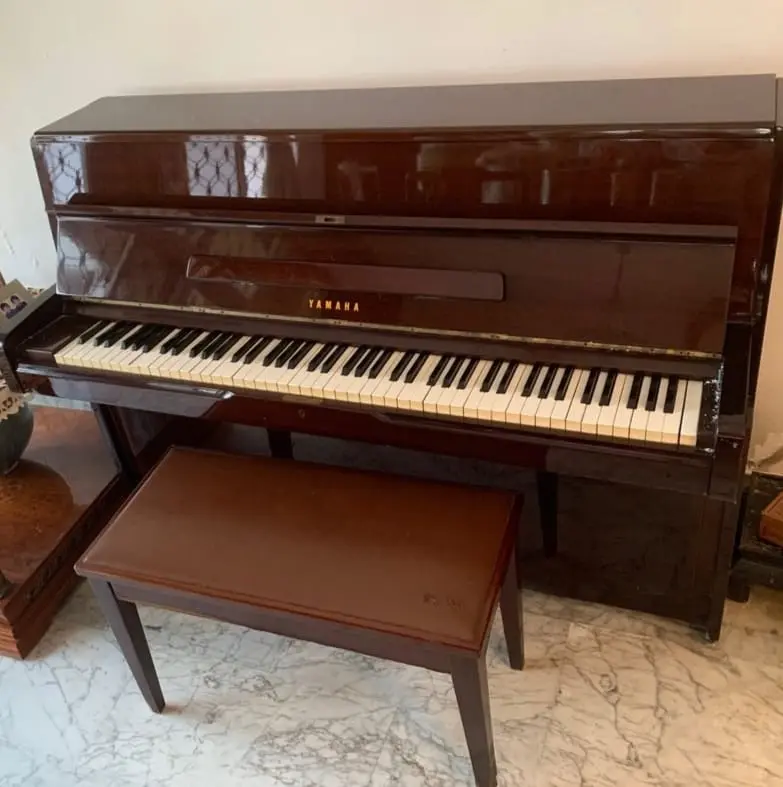
How Does a Piano Leave an HDB Flat?
Most of the weight inside an upright piano isn't the wooden case — it's the cast-iron plate that holds the strings under tension. That plate is what makes even a modest-looking upright deceptively heavy.
A piano job typically needs three to four crew. The first step is measuring the route: doorways, the corridor turn, the passenger lift dimensions. If the piano fits whole, it moves whole on a heavy-duty trolley. If the doorways or lift won't accommodate it, the timber case is taken apart on site so the iron frame can be carried out separately.
The cast-iron plate and steel strings don't go to landfill. They route into metal recycling. The timber case, if it can't be reused, goes to intermediaries for further sorting.
One thing we hear often: "Can I get something for it? It's a good piano." We understand the sentiment, but we don't buy items or offer trade-in value — not even for a working instrument. Our job is responsible removal, not resale.
Full details on how we handle piano removals, including what to prepare before the crew arrives, are on our piano disposal page.
What Do You Need to Do Before a Safe Is Collected?
This one is non-negotiable: the safe must be open and completely empty before our crew arrives. We will not collect a locked safe with unknown contents. No exceptions.
If you've lost the combination or the key, a locksmith can open it first.
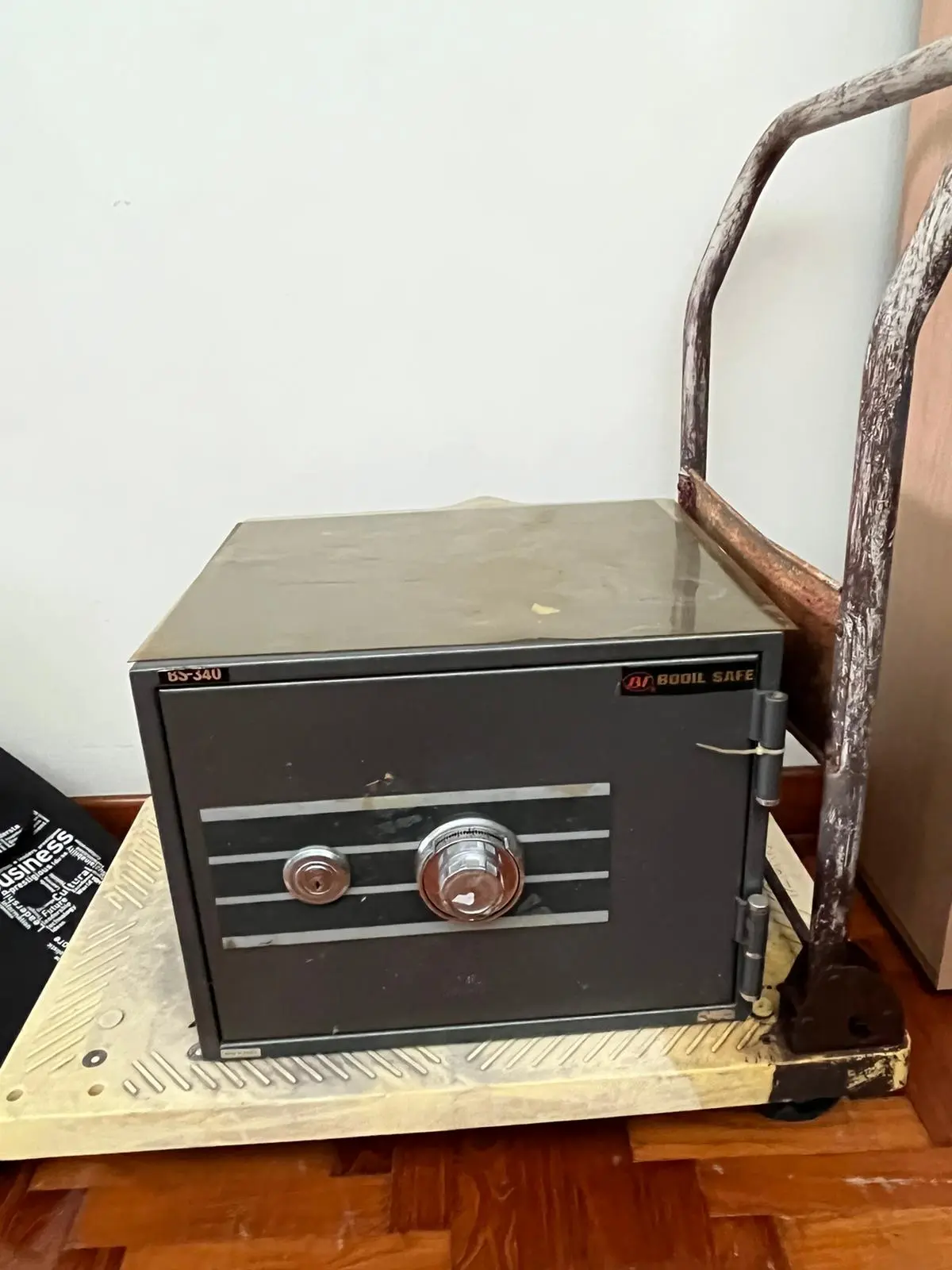
Once the safe is open and empty, our crew moves it using a heavy-duty trolley — at least two crew members for a standard domestic safe. Very large units, or safes that have been bolted to the floor or wall, may need to be cut apart on site before they can leave the room. The steel goes to scrap metal recycling.
In our 10+ years of clearing Singaporean homes, we've seen safes left behind by previous owners more often than you'd think. Sometimes the current homeowner has lived with it in the corner of a bedroom for years, simply because they couldn't figure out how to get rid of it. Our safe disposal page walks through the full process.
How Are Treadmills, Home Gyms and Massage Chairs Taken Apart?
Gym equipment and massage chairs share a common trait: they're built on heavy steel frames designed never to move again once assembled.
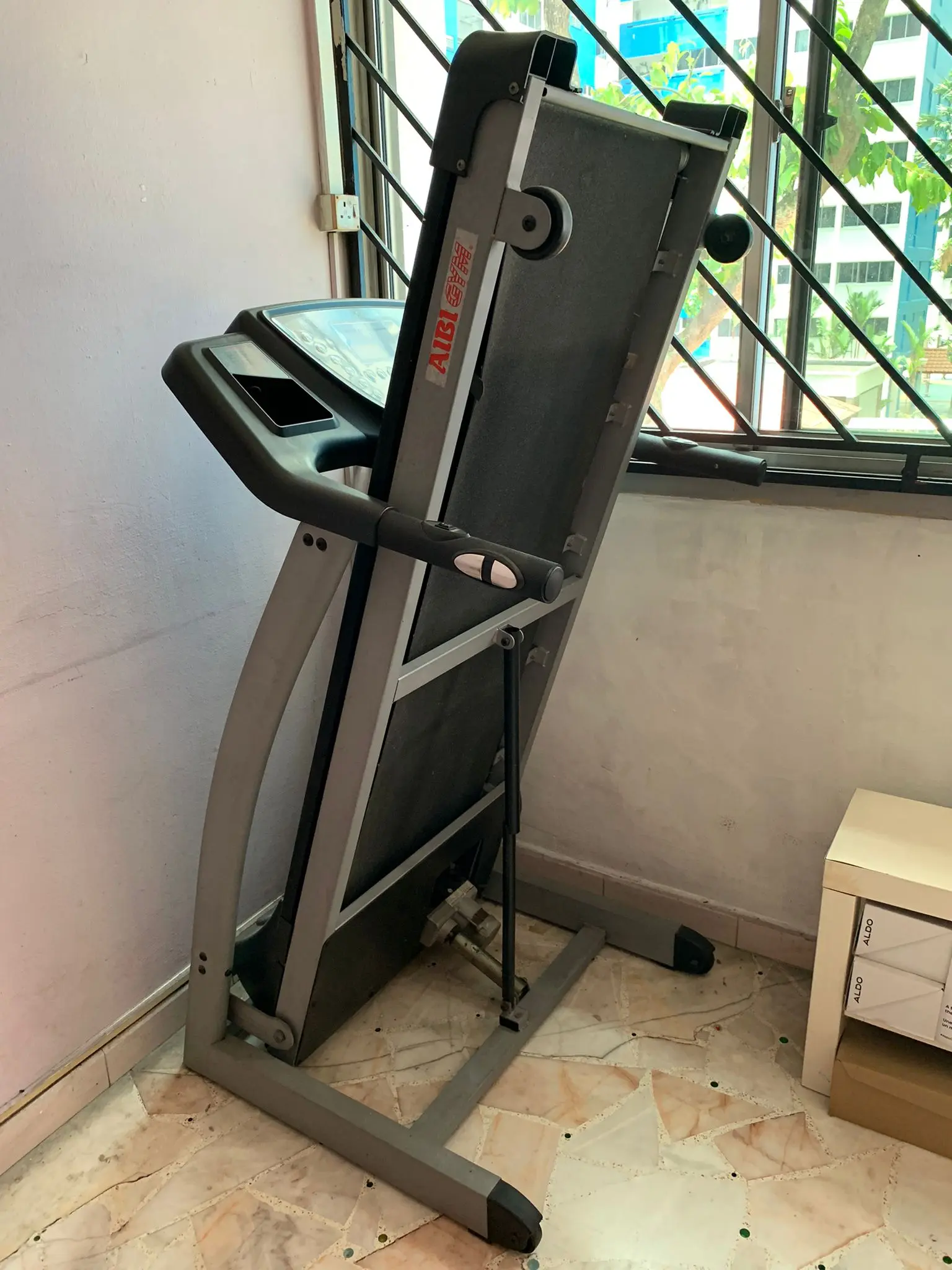
For a treadmill, the handrails and console come off first. The motor deck — the heaviest single component — is carried out as one unit by two crew. Benches, squat racks and multi-gyms are dismantled at their bolted joints. The steel frames and weight plates recycle well, and they're routed into metal recycling channels.
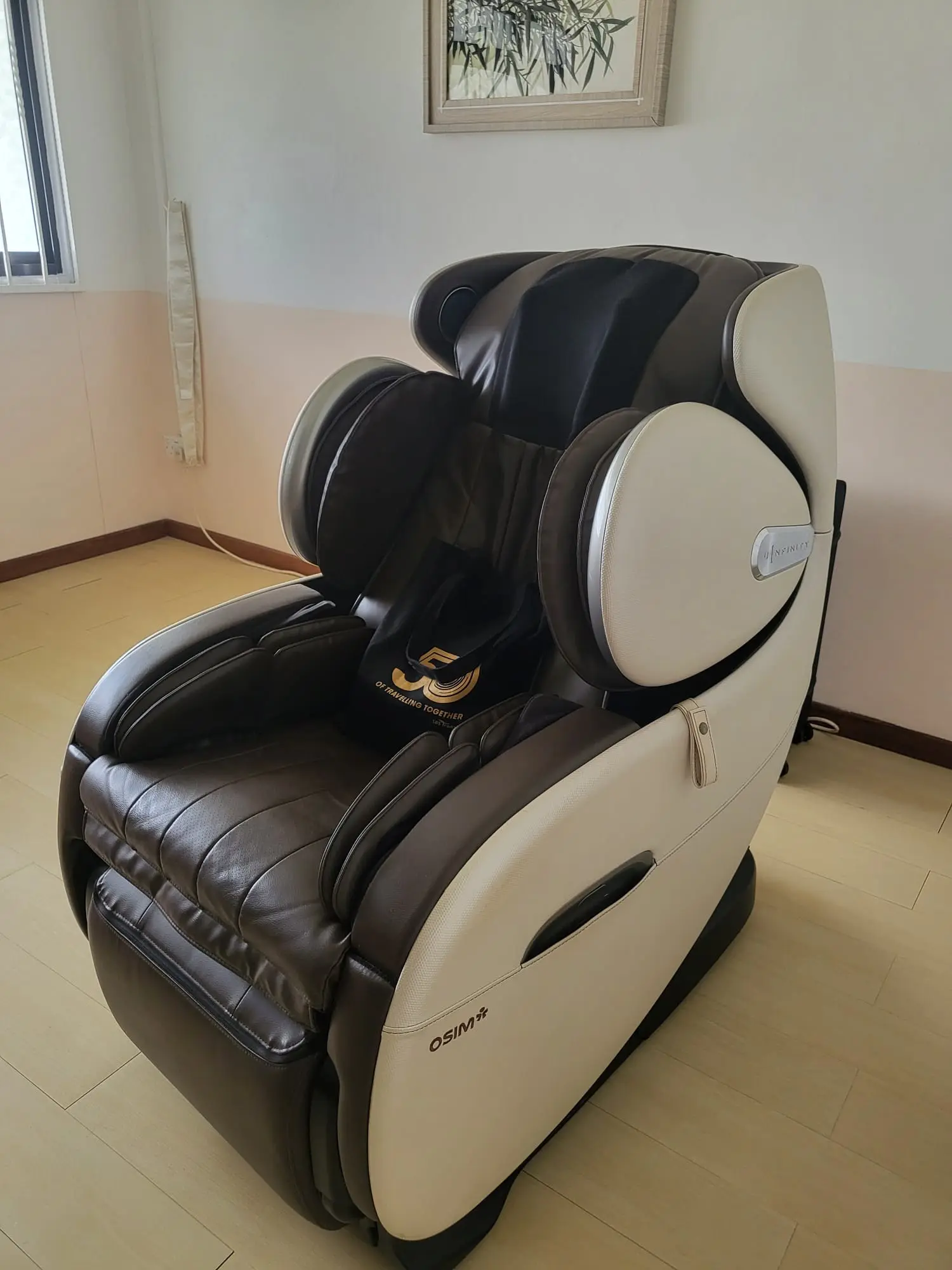
Massage chairs are a different kind of challenge. Under the leather or fabric padding sits a steel roller track, several electric motors, and a frame that gives the chair its weight. To get it through doorways and into a passenger lift, the footrest and armrests come off first. That reduces the width enough to clear most HDB corridors and lift doors. The steel frame heads to metal recycling; the rest goes to intermediaries for further sorting.
We've written dedicated pages for gym equipment and treadmill disposal and massage chair disposal with preparation steps specific to each.
What About Fish Tanks and Hospital Beds?
These two items come up less often, but they catch people off guard when it's time to remove them.
A fish tank must be fully drained before the crew arrives. No water, no gravel, no livestock — the tank needs to be completely empty. The glass or acrylic tank separates from its cabinet stand, and the stand is often the heavier piece, especially with solid timber or MDF builds. If you're downsizing your aquarium setup, the preparation is on you; the removal is on us. Full details on our fish tank disposal page.
Home hospital beds are a slightly different situation. Many are rented from medical equipment suppliers, and those go back to the supplier — not to us. Check your rental agreement or call the supplier first. For beds that are owned outright, they come apart at their bolted joints, and the steel frame routes into recycling. Our hospital bed disposal page covers what to check before booking.
Does It Change for a Walk-Up Block or a Condo?
It does, and in different ways for each.
Walk-up HDB blocks — the older four- and five-storey blocks without a lift — mean a stair carry for every item. A piano or safe coming down four flights of stairs needs more crew and significantly more time. Surcharges apply for stair carries, and we'll confirm the amount at the quote stage once we know the floor and the item. When you send photos, tell us the floor number and whether the block has a lift. That single detail changes the quote. Our post on walk-up HDB bulky item removal goes deeper into what's involved.
Condos bring a different set of logistics. Most condo MCSTs require advance booking of the service lift for bulky item moves, and some require lift padding to be in place before anything heavy goes in. The owner or tenant needs to arrange both directly with building management — we don't liaise with MCSTs or book lifts on the customer's behalf. Rules differ per building, so check with your management office before confirming a date with us. Our guide to high-floor condo heavy item removal covers the MCST coordination steps.
Where Do Heavy Items End Up?
Most of the heavy items we collect are built around metal. Cast-iron piano plates. Steel safe shells. Treadmill motor decks and gym frames. Massage chair roller tracks. That metal goes to scrap metal recycling, and metal recycles well.
Components that aren't metal — timber piano cases, treadmill consoles, massage chair upholstery — go to intermediaries who do further sorting before the material reaches its final destination. For most heavy items, the recycling value is in the metal.
After 10+ years of handling these items, we know which parts have recycling value, and we make sure they get there. More on how metal from household items gets recycled in our metal recycling guide.
Can Heavy Items Go in the Same Trip as a Bigger Clearance?
Absolutely. If you're clearing an entire flat — pre-renovation, post-tenancy, estate clearance — and there's a piano in the living room and a safe in the bedroom, those go on the same truck with everything else. No need to book separate jobs.
Send photos of everything in one go: the heavy items, the furniture, the appliances, whatever else needs to leave. We quote the whole job together, which is almost always more efficient than splitting it across multiple trips. Our full HDB clearance page covers what a whole-flat job looks like from start to finish.
Heavy Item Disposal FAQs
Do you buy pianos, safes or other heavy items, or offer any trade-in value? No. We don't pay for items collected, and we don't offer trade-in, buyback or any form of compensation — even for a working piano or a functioning massage chair. We're a disposal service. Metal components get routed to recycling, but the customer doesn't receive payment for them.
What photos should I send for a quote? Three things: the item itself (so we can see its size and condition), the route out of the room (doorway width, corridor, any tight turns), and the floor number plus whether your block has a lift. A short WhatsApp message with these photos is all we need to give you an accurate quote.
Can you collect a locked safe? No. The safe must be open and empty before we arrive. If you've lost the code or key, engage a locksmith to open it first. We will not collect a safe with unknown contents under any circumstances.
Do surcharges apply for heavy items? Yes, for after-hours pickups, Sundays, public holidays, and stair or ramp carries in walk-up buildings. All surcharges are confirmed at the quote stage — nothing is added after the fact.
Do I need to dismantle anything before you arrive? No. Dismantling is part of what we do. For fish tanks, you need to drain the water and remove livestock and gravel. For safes, you need to have it open and empty. For hospital beds, check whether yours is rented. Beyond that, the crew handles the breakdown on site.
Got a piano, safe, treadmill, massage chair or another heavy piece that needs to go? Send us photos on WhatsApp at 9888 1292 — include the item, the route out, and your floor number. We'll get back to you with a free quote.