Walk-Up HDB Bulky Item Removal: What It Actually Takes to Clear a No-Lift Flat
By Junk Value Team
You're on the fourth floor of a walk-up block in Ang Mo Kio. The fridge died last week. The old wardrobe hasn't opened properly since 2019. And you're staring down a narrow staircase thinking: how on earth does this get out?
If you'd rather route the whole pile responsibly without the trip to a public collection bin, e-waste routing flow sorts and routes it through licensed recyclers — clear quote first.
You're not alone. Singapore still has hundreds of walk-up HDB blocks — mostly in mature estates like Ang Mo Kio, Queenstown, Tiong Bahru, and parts of Clementi. These blocks were built in the 1960s and 70s, before lifts became standard. No elevator. No wide corridors. Just concrete staircases barely wide enough for two people to pass shoulder-to-shoulder.
In our 10+ years of clearing Singaporean homes, walk-up jobs are some of the most physically demanding work we do. They're also the jobs where homeowners are most relieved they didn't try to DIY.
Why This Is a Real Problem (Not Just an Inconvenience)
Here's the situation many residents face:
Town council bulky-item collection won't solve it. Your town council — whether it's Ang Mo Kio-Hougang TC or another — requires you to dismantle items first and bring them to the designated collection point downstairs. A whole wardrobe? An intact fridge? They won't take it as-is. You'd need to break it apart yourself, then somehow get the pieces down multiple flights of stairs.
For a 70-year-old auntie living alone on the third floor with a solid teak wardrobe from the 1960s, that's not a realistic option.
The physical risk is real. A standard two-door fridge weighs 60–80kg. A solid wood wardrobe from the 50s or 60s — the kind we regularly encounter in older Ang Mo Kio flats — can exceed 100kg. Carrying that down narrow, turning staircases without proper technique and enough hands is how backs get thrown out and walls get gouged.
What Walk-Up Removal Actually Involves
Crew Size and Stair-Carry Logistics
For walk-up jobs, we typically deploy a larger crew than a standard ground-floor or lift-access pickup. Where a regular job might need two personnel, a fourth-floor walk-up with heavy items often requires three to four. More hands on the item means better control on each landing and turn.
The staircases in older HDB walk-ups have specific challenges:
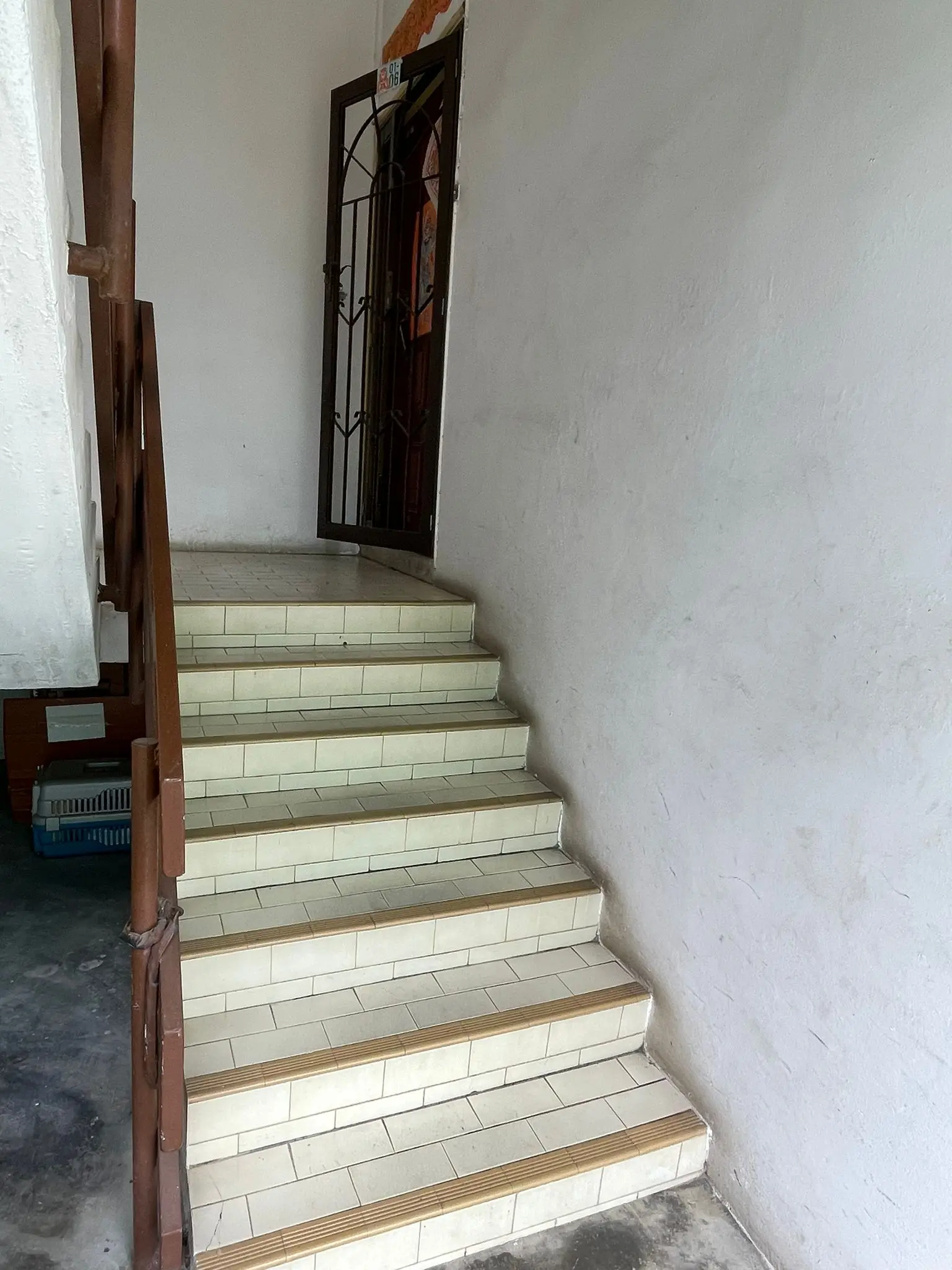
- 90-degree turns at each half-landing — long items like bed frames or wardrobes need to be angled precisely
- Low overhead clearance on some blocks — tall items can't be carried upright
- Narrow width — typically just over a metre, leaving centimetres of clearance on each side for a large appliance
We've handled vintage furniture from the 50s and 60s in Ang Mo Kio flats — solid wood pieces that are genuinely heavy. These aren't your flat-pack IKEA items. They require dismantling on-site before they'll even fit through the doorframe, let alone down the stairs.
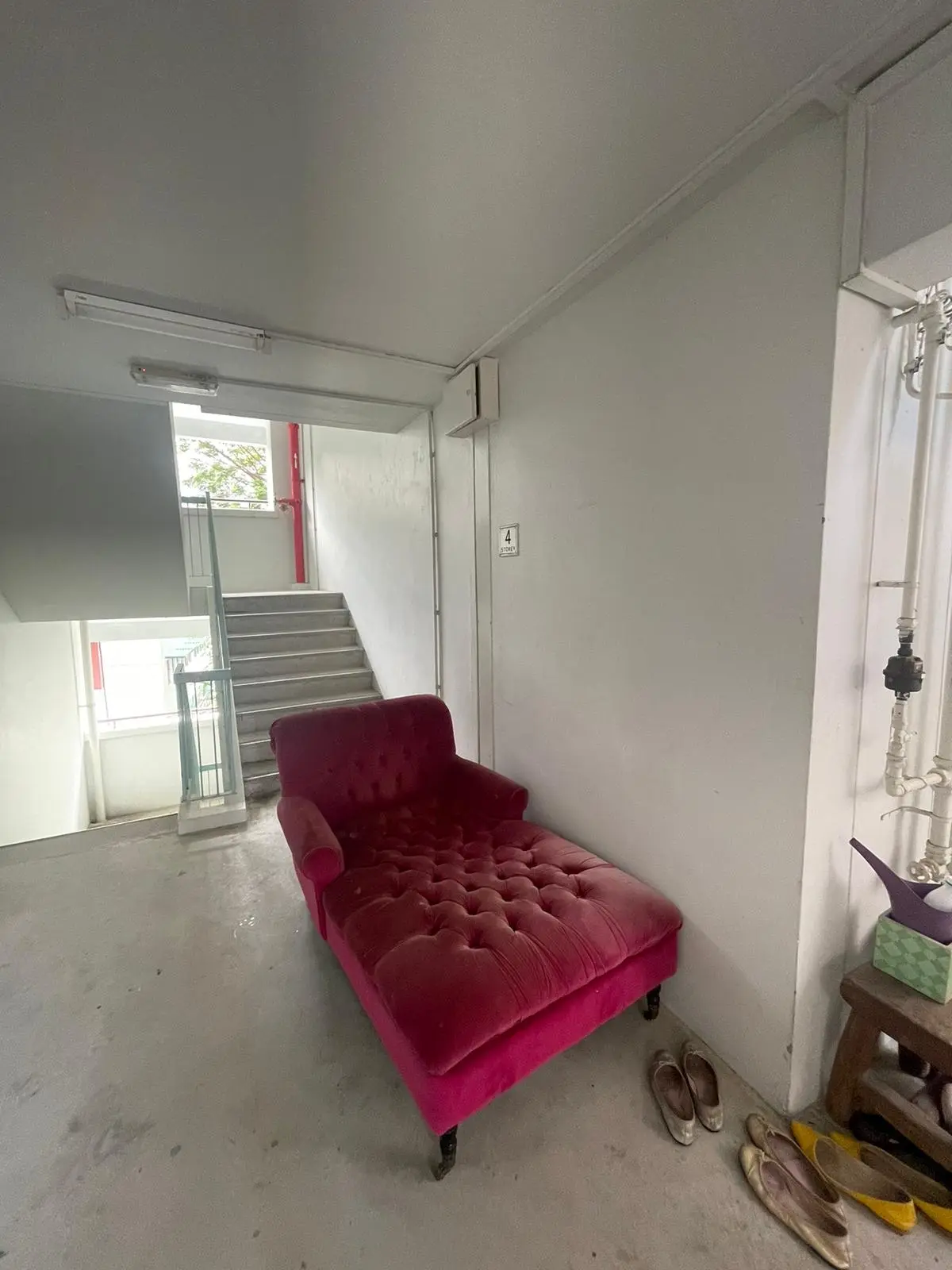
Why Surcharges Apply (And Why That's Fair)
Let's be upfront: walk-up jobs cost more than lift-access jobs. Surcharges apply for stair carry, and here's why:
- Time. A fridge that takes 10 minutes to wheel from a ground-floor unit to the lorry takes 30–45 minutes to carry down four flights with proper care.
- Manpower. Extra crew members mean extra cost.
- Physical toll. This is genuinely demanding labour — each trip up and down those stairs adds fatigue, and we need to keep our crew safe across multiple jobs in a day.
The surcharge is confirmed at quote stage. No surprises on the day. Send us photos of the items and your staircase, and we'll factor everything in upfront.
How This Differs From Condo or Commercial Jobs
In a condo, there's typically a service lift — large, padded (arranged by the owner through their MCST), and designed for exactly this kind of move. The logistics are about booking the right time slot and following building management rules.
Walk-up HDB blocks have none of that infrastructure. No service lift. No goods lift. No loading bay. Just stairs, a ground-floor void deck, and whatever parking is available for the lorry. The entire removal is manual, gravity-assisted labour.
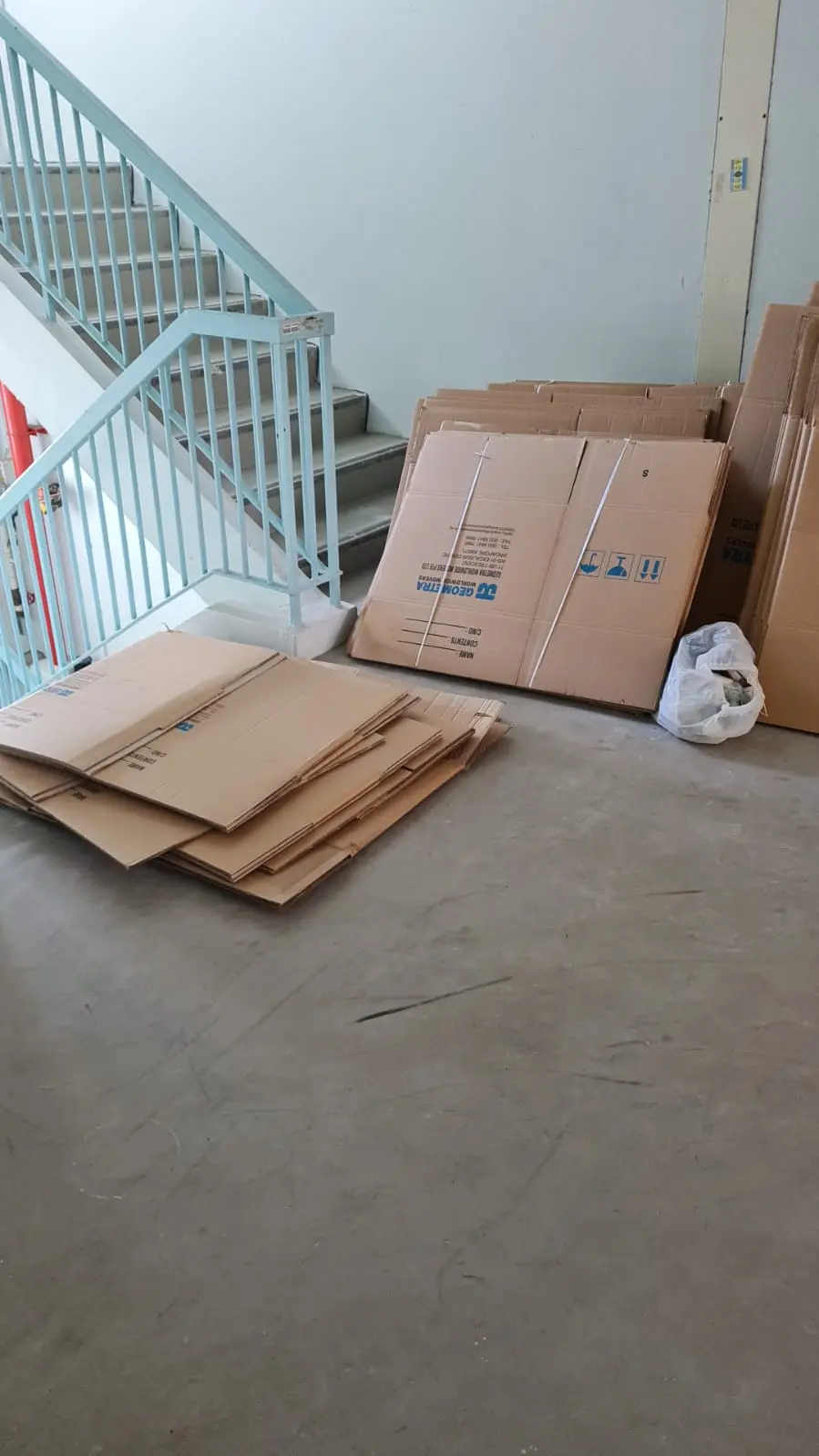
Common Mistakes We See After 10+ Years
1. Underestimating the weight of old furniture. That dressing table looks small. But it's solid meranti from 1965 and weighs as much as a washing machine. We've seen families attempt to slide wardrobes down stairs using cardboard — it doesn't end well for the wardrobe, the stairs, or the people involved.
2. Not clearing the pathway. Shoes at the door. Potted plants on the landing. A bicycle chained to the staircase railing two floors down. Every obstacle on the route adds time and risk. Clear the path before we arrive.
3. Assuming the town council will just "come and take it." As mentioned — they won't collect whole items. And their collection schedule is fixed to specific days. If you're clearing for a renovation with contractors arriving Monday, you can't wait for the next TC collection window and hope for the best.
4. Trying to save money by carrying items to the void deck themselves. We've arrived at jobs where the homeowner attempted to move a washing machine solo, got it halfway down, and left it wedged on a landing. Now we're working around an awkwardly positioned appliance in a tighter space. It's safer — and often cheaper — to let us handle the full route from unit to lorry.
How to Prepare for a Walk-Up Removal
A few things that make the job smoother and faster (which can help keep costs down):
- Send photos of both the items AND the staircase when requesting a quote. Include any tight turns or obstacles.
- Clear the corridor and staircase of shoes, plants, and stored items on the day.
- Inform your neighbours — especially if their items are in the common staircase area. We don't want disputes on the day.
- Confirm parking access — is there space for a lorry near the block? If the nearest lot is 50 metres away, that affects the job.
FAQ
Q: How much extra does walk-up removal cost compared to a normal job? We don't publish prices on the site — every job is different depending on floor level, item weight, and quantity. WhatsApp us photos and your block details, and we'll give you a clear quote with the stair-carry surcharge included. No hidden fees on the day.
Q: Can you remove items on the same day I contact you? Same-day and urgent requests are subject to availability and may incur additional charges. Walk-up jobs in particular need proper crew allocation, so giving us 24–48 hours notice helps ensure we can deploy the right team size.
Q: Do you dismantle large furniture before carrying it down? Yes — if a wardrobe or bed frame won't fit through the doorway or around staircase turns in one piece, we dismantle it on-site. That's part of the service. It's also one of the key reasons to hire a crew rather than attempting it yourself.
Ready to Clear Your Walk-Up Flat?
It's simple. WhatsApp us at 9888 1292 with:
- Photos of the items
- Your floor level
- A shot of the staircase if possible
If it's an old couch wedged on a fourth-floor landing, our sofa removal service covers the stair-carry too. We'll come back with an honest quote — surcharges included, no surprises. It's fast. It's clear. It's done.