That Old Safe Isn't Going Anywhere on Its Own
You know the one. Sitting in the corner of the storeroom since you moved in, or left behind by the previous owner with no code and no key. Maybe you've tried nudging it — and realised it barely shifts. A typical domestic safe weighs between 50 and 150 kg, sometimes more. Most of that weight is poured concrete sandwiched between steel walls, which is exactly what makes safes so effective at their job and so miserable to move out of a flat.
Town council bulky-item collection won't touch it whole. Your regular mover doesn't want it. And you definitely can't fit it in a bin.
We take safes. We do it regularly. And we know what's involved.
What Actually Happens When We Collect a Safe
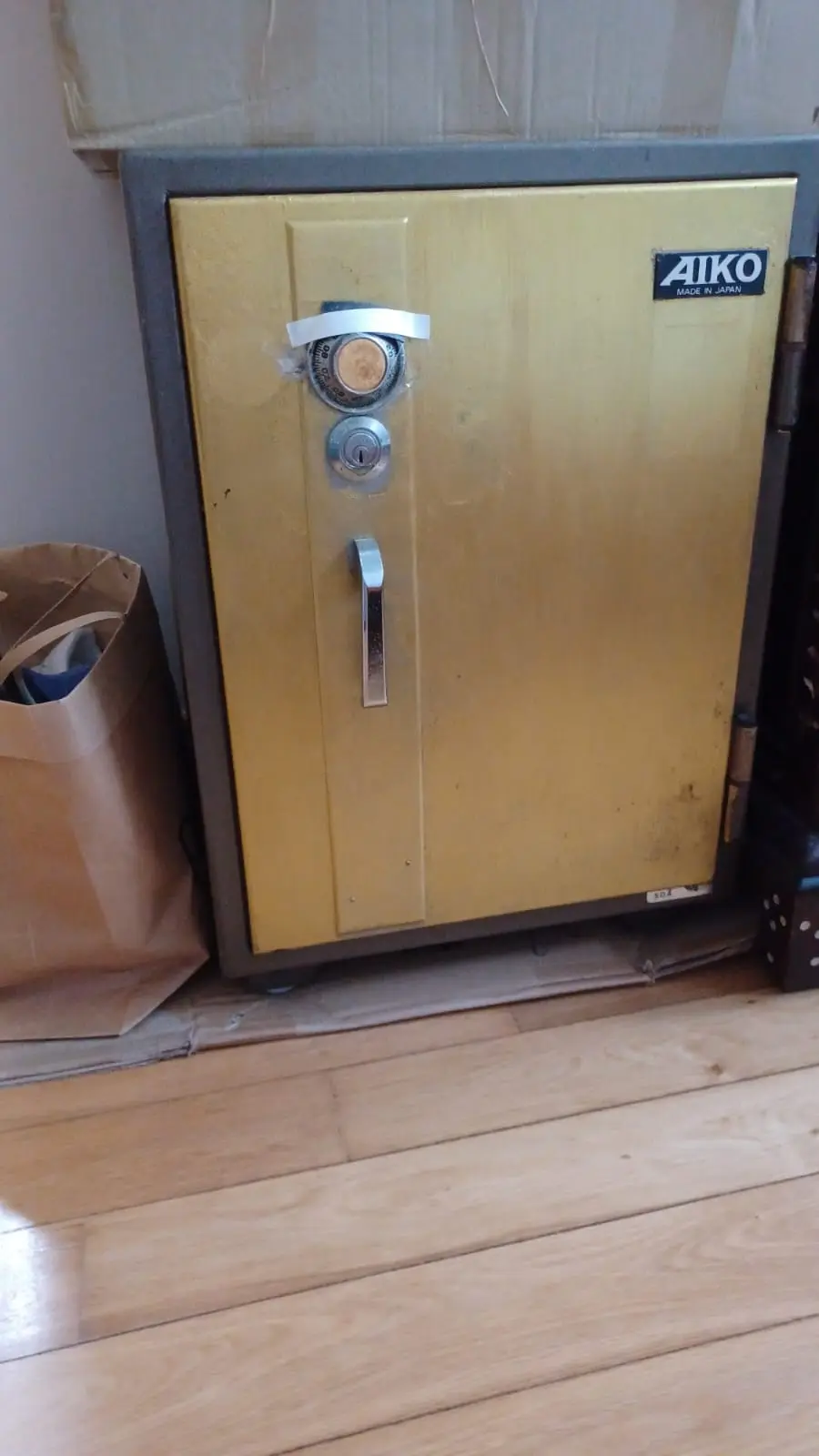
A domestic safe is concrete-filled steel — dense, awkward, and unforgiving on door frames. Even a compact unit that looks manageable needs at least two crew members and a heavy-duty trolley. Larger floor safes or fire-rated models may need three.
One non-negotiable rule: the safe must be open and empty before we arrive. We will not collect a locked safe with unknown contents. If you've lost the combination, a locksmith can drill it open ahead of our visit — that step is on you, but it keeps the job clean and safe for everyone.
Once it's confirmed empty, the crew tilts it onto a trolley, straps it, and walks it out. In our 10+ years of clearing Singaporean homes, we've manoeuvred safes through narrow HDB corridors, around tight corners, and into passenger lifts that leave about two centimetres of clearance on each side. Slow, careful work.
For particularly large units — the kind bolted to a floor or wall — we dismantle on-site. Angle grinders cut through the steel shell; the concrete core breaks apart in sections. It's loud, it's dusty, and we sweep up where we can afterwards.
Where Does a Safe End Up?
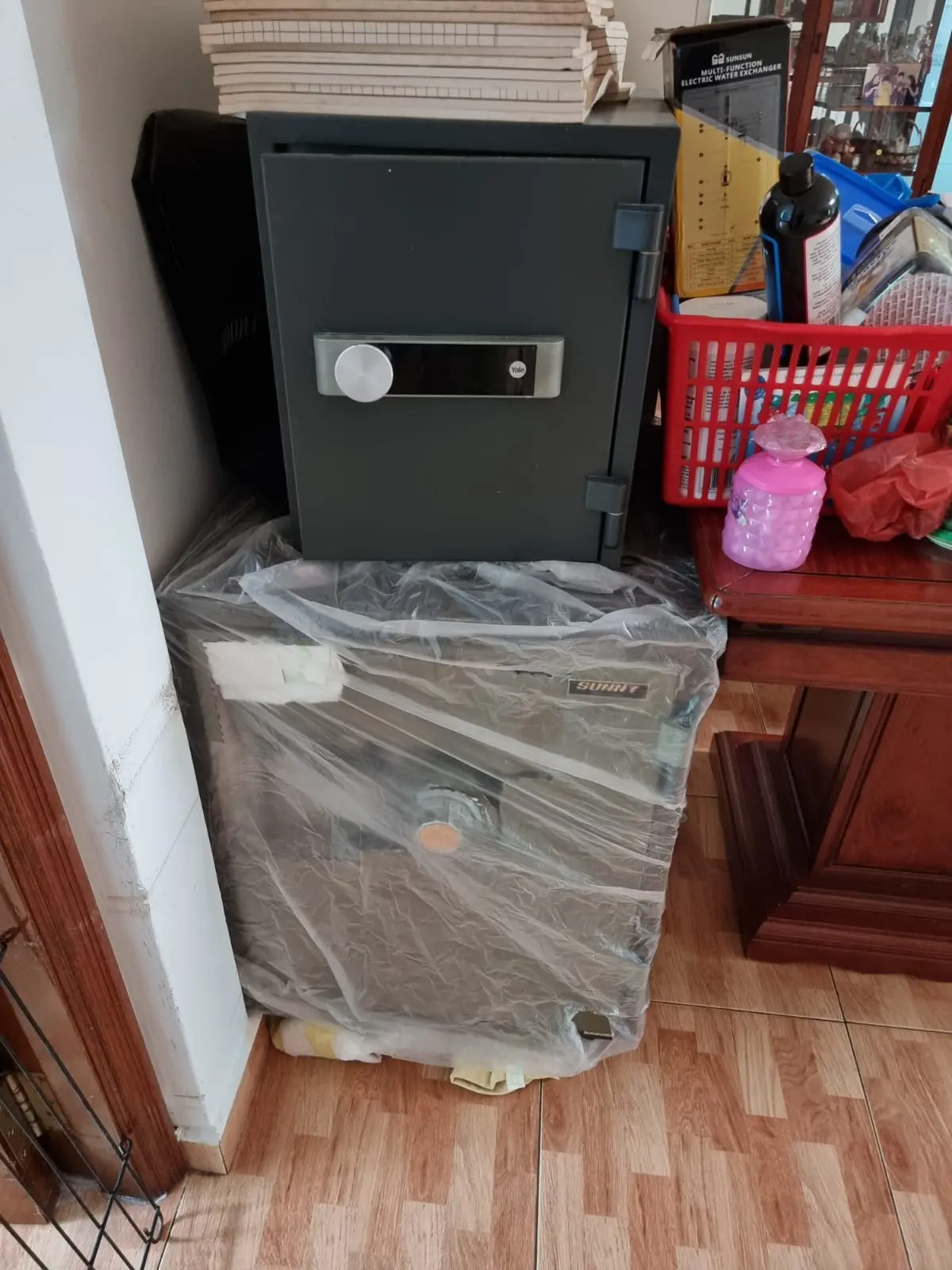
The steel shell goes to scrap metal recycling through licensed intermediaries. Steel is one of the most recyclable materials out there, and a safe is almost entirely steel and concrete by weight. The concrete filler is inert construction waste routed for proper disposal. Nothing about a standard domestic safe is hazardous — it's just extremely heavy for its size.
If you're clearing the safe as part of a bigger residential declutter, we can handle everything in one trip. Safes pair well with the kind of full-flat jobs we write about in our HDB flat clearance guide — old furniture, appliances, and that immovable safe all going out the same day.
HDB Flats
No service lift, no goods lift — just the standard passenger lift and the corridor. We measure the safe against the lift dimensions before the job and plan the route. For walk-up blocks without a lift, surcharges apply for stair carry, and we'll confirm that at the quote stage. If you're clearing multiple bulky items at once, bundling the safe into that job is the most cost-effective approach.
Condos and Private Properties
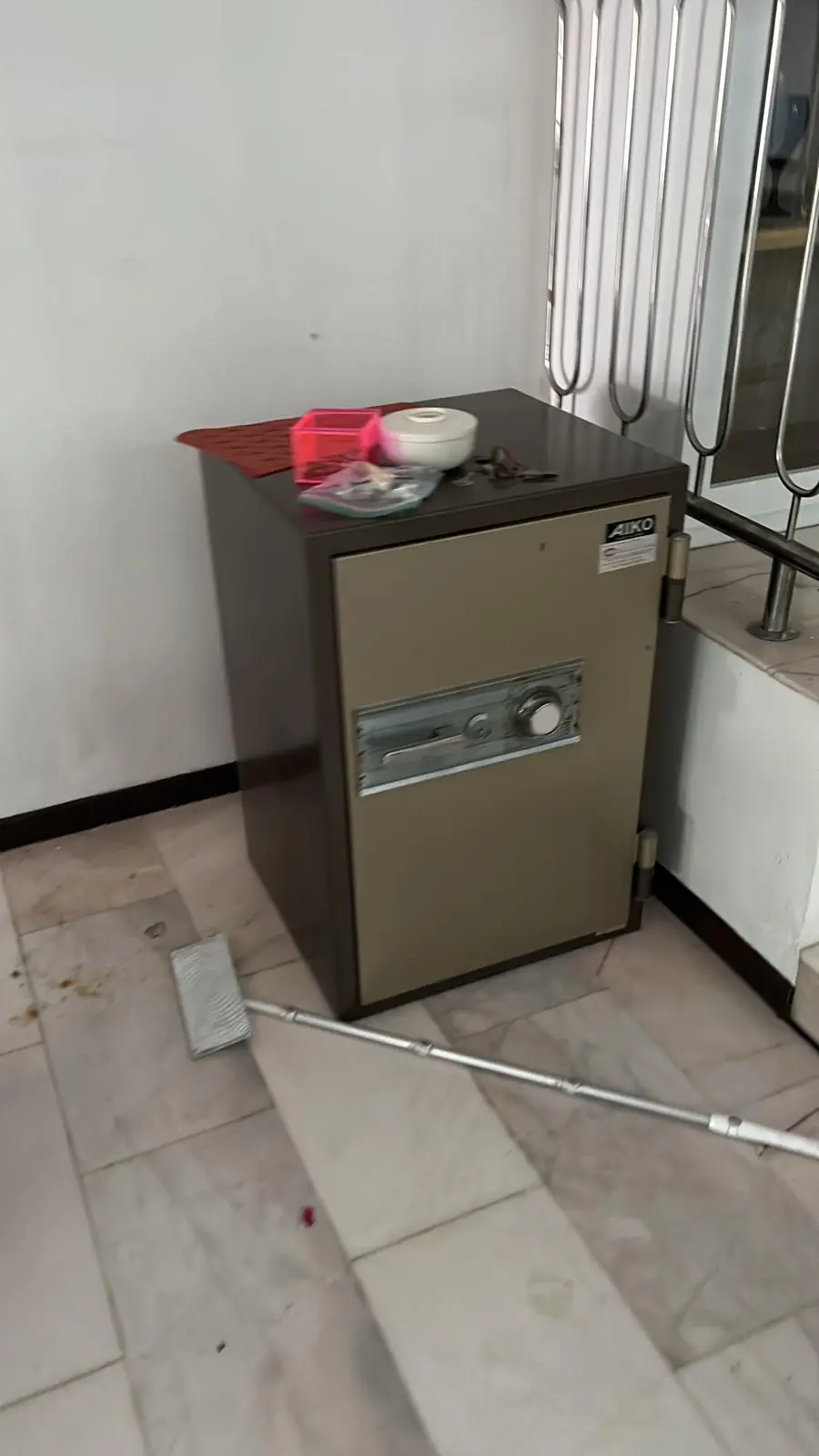
Rules differ per building. You'll need to check with your MCST about lift booking, loading bay access, and whether lift padding is required — that's arranged between you and your building management before the day. Once access is sorted on your end, we handle the rest.
Ready to Get Rid of It?
Send us a photo of the safe on WhatsApp — include a rough idea of its size and which floor you're on. We'll get back to you with a quote. No obligation, no call-out fee for the quote itself.
FAQ
Do you buy old safes or offer any trade-in value? No. We're a disposal service, not a buyback operation. Even if the safe has resale value in theory, we don't pay for items we collect. The steel is recycled through proper channels, and you get a cleared space — that's the exchange.
Can you remove a safe that's still locked? We cannot collect a locked safe with unknown contents. You'll need to have it opened by a locksmith before our visit. Once it's confirmed empty, we'll take it from there — whether that means wheeling it out whole or dismantling it on-site.
How heavy are home safes, really? Heavier than people expect. A small document safe might be 40–60 kg. A mid-size fire-rated floor safe easily hits 80–150 kg. The weight comes from poured concrete between the steel walls — it's what gives the safe its fire and theft resistance, and it's why this isn't a one-person job. We bring the right crew size and equipment based on what you show us in the photo quote.