Moving a Parent Into a Nursing Home or Your Home: Clearing the Flat They Leave
By Junk Value Team
The move date is confirmed. Your parent is going into a nursing home, or into the spare room at your place. Either way, they're leaving behind a flat that has filled up over decades: wardrobes still packed, kitchen drawers stuffed with utensils from years of Chinese New Year gatherings, a sofa set nobody in the family has room for.
You know the flat needs to be cleared. The question is where to start, and in what order, so nothing important gets lost in the rush.
What Should Move With Your Parent First?
Your parent gets first say on what comes with them. That's the starting point.
Space in a nursing home room is limited, and each home has its own rules about what residents can bring, so check directly with the home before packing anything. If your parent is moving into your house instead, the constraint is the size of the room you're giving them.
Sit with your parent and let them walk through the flat. What do they actually want in their new space? A favourite armchair, a bedside clock, photo albums. These items move first, before any clearance crew arrives, before siblings start discussing who gets what. Once those things are safe at the new location, the pressure drops.
In our 10+ years of clearing Singaporean homes, we've found that families who handle this step early avoid the single biggest regret: something sentimental disappearing into a clearance load because nobody set it aside in time.
How Do Siblings Share Out Keepsakes?
Once your parent's personal items have moved, the remaining contents of the flat become a family conversation. If there are siblings, this step needs structure.
Photograph everything room by room. Not artistic shots — just clear, well-lit photos of each piece of furniture and each shelf of ornaments. (Documents, cash and jewellery should already be out of the flat and in safe hands.) Create a shared album or a simple list. Siblings who live overseas or can't visit the flat can still see what's there and speak up.
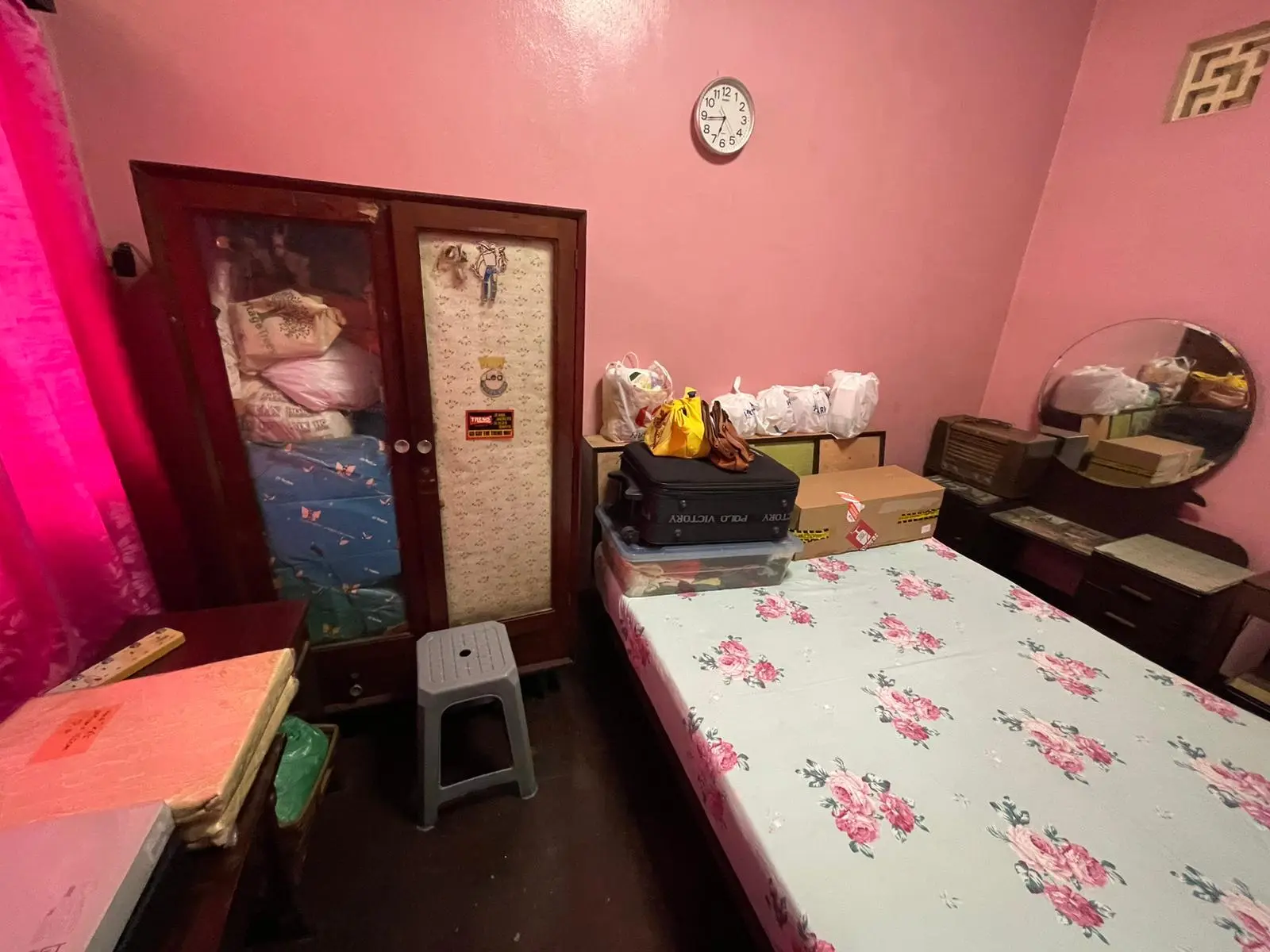
Agree on a deadline. "Collect your keepsakes by this Saturday" works better than an open-ended arrangement that drags on for weeks. Anything not claimed by the deadline stays in the flat for clearance. This sounds blunt, but families who leave the timeline open often find themselves still negotiating a month after the move, with the flat's lease or sale hanging in limbo.
If your parent is able and willing to be part of this conversation, include them. They may have preferences about who receives specific items — the sewing machine goes to the daughter who sews, the old radio goes to the son who always liked it. It's still their things and their call. Respecting that makes the whole process smoother for everyone.
What Happens to the Flat Afterwards?
The answer to this question determines how thorough the clearance needs to be.
Selling the flat. Buyers usually expect the flat empty unless something else has been agreed, so the furniture and every box in the storeroom need to go. If it's an HDB flat, our move-out disposal checklist covers what typically needs clearing.
Renting it out. Some landlords leave selected furniture for tenants. Decide what stays, then clear the rest. Tenants will have their own disposal responsibilities when they eventually move out, but that's a future problem. Right now, you need the flat presentable.
A family member moving in. Maybe a sibling is taking over the flat. They'll want their own furniture arrangement, which usually means most of the existing contents still need to go. Coordinate with whoever's moving in so you don't clear something they actually wanted to keep.
Clear Everything at Once or in Stages?
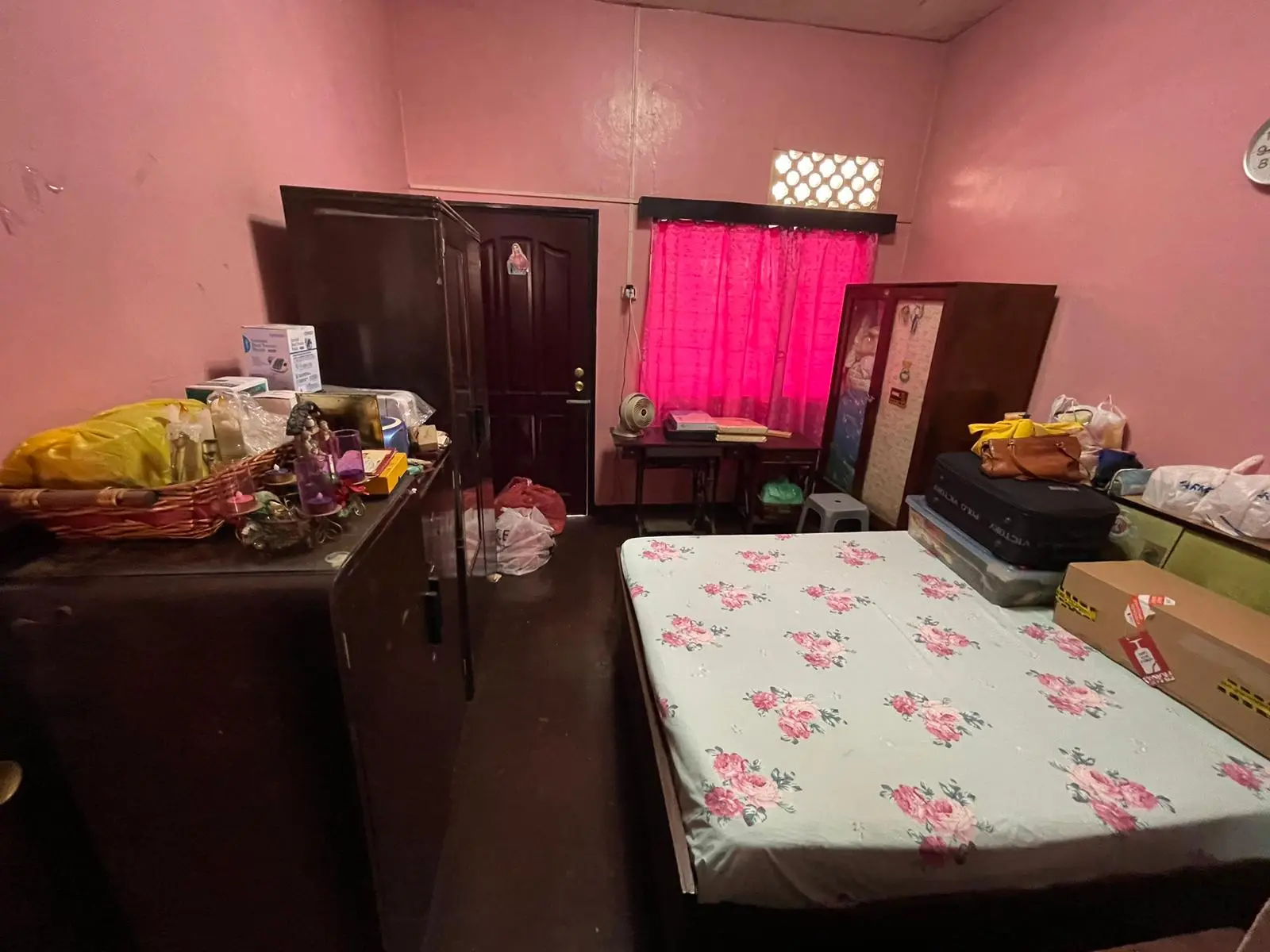
A full HDB clearance in a single visit is the fastest way to get the flat empty. Our crew of two to four people arrives with the right vehicle — van, lorry, or larger truck depending on volume — and works through every room systematically.
Some families prefer stages. The first pass takes the large furniture: beds, wardrobes, dining sets. A second visit handles the remaining boxes, smaller items, odds and ends that surface once the big pieces are gone. If you're dealing with multiple bulky items across several rooms, a staged approach can feel more manageable, especially if you're still sorting through drawers and cabinets between visits.
Both approaches work. The deciding factor is usually the timeline. If the flat sale is completing in two weeks, a single full clearance makes sense. If you have a month and want to sort carefully, two visits give you breathing room.
A note on town council bulky-item collection: your town council will collect bulky items, but only if you've dismantled them first. A whole wardrobe left at the void deck won't be picked up. We handle the dismantling as part of the job — that's one less thing for you to figure out.
What About the Furniture Nobody Wants?
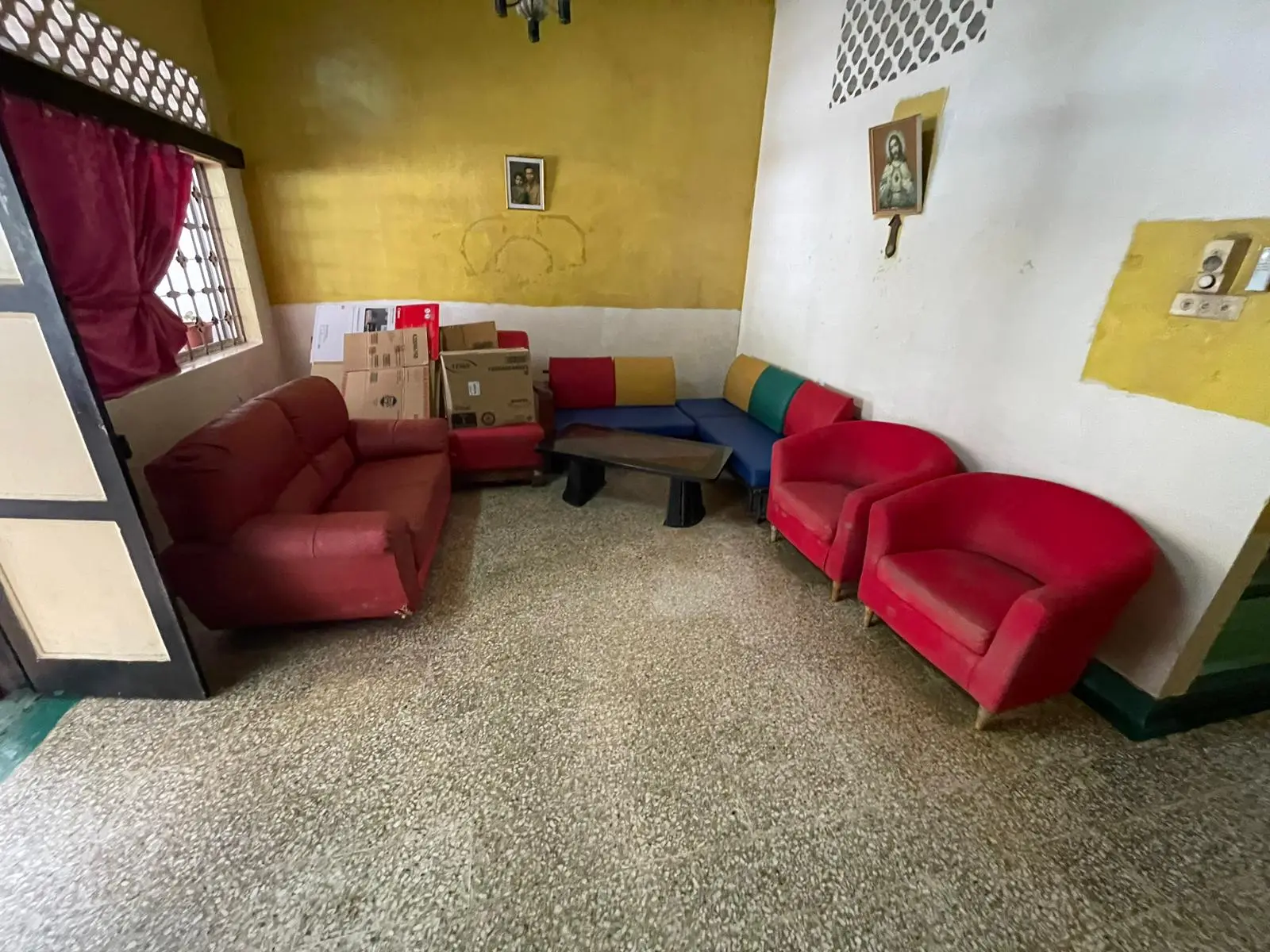
A flat that's been lived in for decades will have furniture in every condition. Some pieces are solid wood from the 1960s, heavy and well-built. Others are particleboard that's swollen from years of humidity. Most of it, nobody in the family wants.
Reusable items get a second life where possible. Metal and paper get recycled. Pieces that can't be reused go through intermediaries who do further sorting before the residual waste reaches its final destination. The furniture recycling guide explains which materials have a second life and which don't.
Sofas are a common sticking point. A big set may not fit the lift whole, and it's far too heavy for one person to wrestle down a corridor. Our crew dismantles them on-site when needed. If your parent's flat has a sofa that needs to go, that's a routine job for us.
How Is This Different From Clearing After a Death?
The biggest difference: your parent is here to tell you what matters to them. That changes everything about how the clearance is sequenced.
When a family clears a flat after a bereavement, there's often no prior conversation about what to keep. Clearing a deceased parent's estate involves more uncertainty, more emotional weight, and sometimes legal steps that delay the timeline. Clearing while your parent is alive and involved is, practically speaking, simpler — even if it doesn't always feel that way.
If your parent's flat has accumulated a very large volume of belongings over the years, the guide on clearing a packed home covers the logistics of working through dense, full rooms. And if your parent is reluctant to let things go, that's a separate conversation worth having gently, before the clearance crew is booked.
FAQs
Do you pay for or buy any of the items you collect? No. We're a disposal service, not a buyback or trade-in operation. We don't offer cash, credit, or any form of compensation for items collected. Where items are reusable, they get a second life where possible, but the customer doesn't receive payment for them.
Can we keep sorting while your crew is working through the flat? Yes, families do this regularly. Our crew can start in one room while you finish going through drawers in another. Just flag anything you want kept before it's loaded.
What if the flat is on a high floor in a walk-up HDB block with no lift? We handle walk-up buildings. Surcharges apply for stair carry, and we'll confirm the exact amount when you send us photos for your quote. The crew comes prepared for the weight and the flights.
Your parent's move is already a big transition. The flat clearance doesn't need to add stress to it.
Send us photos of the rooms on WhatsApp and we'll give you a free quote — no obligation, valid for 14 days.