Tenant Move-Out Disposal Responsibilities in Singapore: What You Must Remove
By Junk Value Team
Your Lease Is Ending. Do You Know What You're Obligated to Remove?
Here's the scenario we see play out every single month: a tenant in Singapore finishes their lease, returns the keys, and then gets a message from the landlord — "There are items left behind. I'm deducting from your deposit."
When you're past the DIY threshold, Residential Disposal sits at the affordable end of the market: we WhatsApp you a clear quote from photos, no surprise charges on the day.
The amount? Sometimes hundreds. Sometimes over a thousand. And the tenant is blindsided because they genuinely thought those items could stay.
In our 10+ years of clearing rental properties across Singapore, we've been called in by both sides — landlords who need the unit cleared fast for the next tenant, and tenants scrambling to remove things before the final inspection. The pattern is always the same: confusion about what "original condition" actually means, and what physically needs to leave the unit before handover.
This guide breaks it down from the tenant's perspective. Practical. Specific to Singapore rental norms. No legal jargon walls.
Why This Matters More Than You Think
Most tenancy agreements in Singapore include a reinstatement clause. The exact wording varies, but the intent is consistent: you return the property in the condition you received it, minus fair wear and tear.
That clause is your deposit's gatekeeper.
Landlords and agents in Singapore are generally reasonable — but they're also under pressure to turn the unit around quickly for the next tenant. If there's anything ambiguous left behind, the path of least resistance is to deduct from your security deposit and hire someone to clear it.
The kicker? Most of the time, the items in question aren't expensive to remove. The tenant just didn't realise they were responsible.
What "Original Condition" Actually Means in Practice
The Baseline: Your Inventory List
When you signed your tenancy agreement, there should have been an inventory list — sometimes with photos. This is your reference document. Anything that wasn't on that list when you moved in? It needs to leave with you.
That includes:
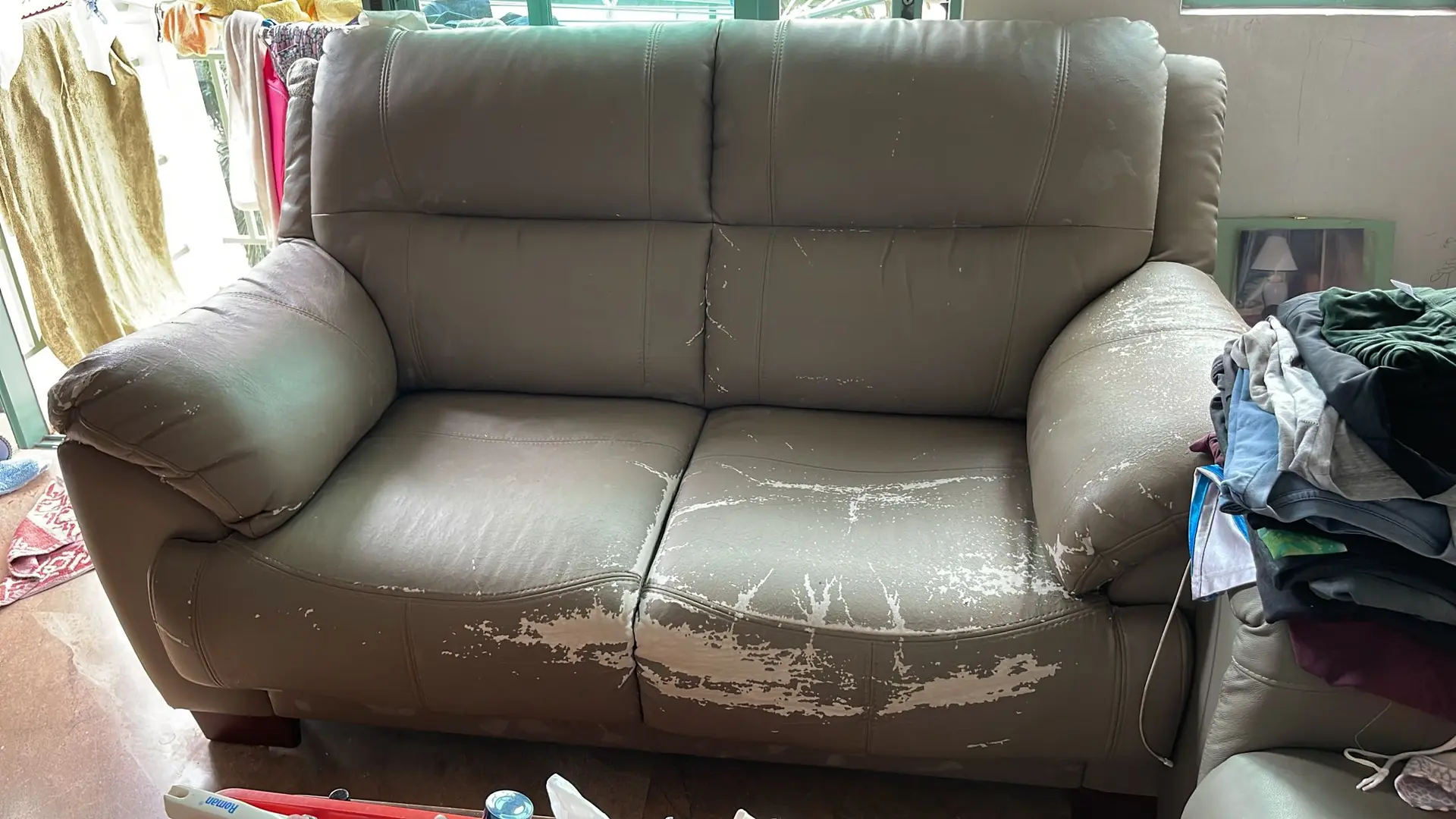
- Furniture you brought in — even if it "fits perfectly" in that alcove
- Appliances you purchased — portable aircon units, standalone washing machines, personal mini-fridges
- Fixtures you installed — curtain rods, wall-mounted shelves, TV brackets, hooks
- Soft furnishings — your curtains, blinds you swapped out, rugs
The grey area is items you think the next tenant might want. A nice shoe rack. A barely-used bookshelf. Unless your landlord explicitly agrees in writing to keep them, they're your responsibility to remove.
Items Tenants Commonly Forget
From what we've seen across hundreds of end-of-tenancy clearances:
- Curtain rods and brackets — You installed them. The original unit had bare windows or different fittings. Those holes in the wall? Also your problem to patch.
- Wall-mounted shelves and TV mounts — Especially in condos where tenants drill into feature walls.
- Large furniture that "came with the place" — except it didn't. You bought it month two and forgot. Check your inventory list.
- Balcony items — plant pots, outdoor furniture, drying racks you bolted to the wall.
- Storage room accumulation — boxes of things you meant to sort "later." Later is now.
The Reinstatement Clause: Patching and Repainting
Some agreements require you to repaint walls to the original colour or patch drill holes. This is separate from disposal but often tangled together — because you can't repaint until the shelves come down, and you can't remove the shelves until you have somewhere to put the stuff that was on them.
Sequence matters. Clear first. Patch second. Clean third.
HDB Rentals vs Condo Rentals: The Logistics Differ
HDB Flats
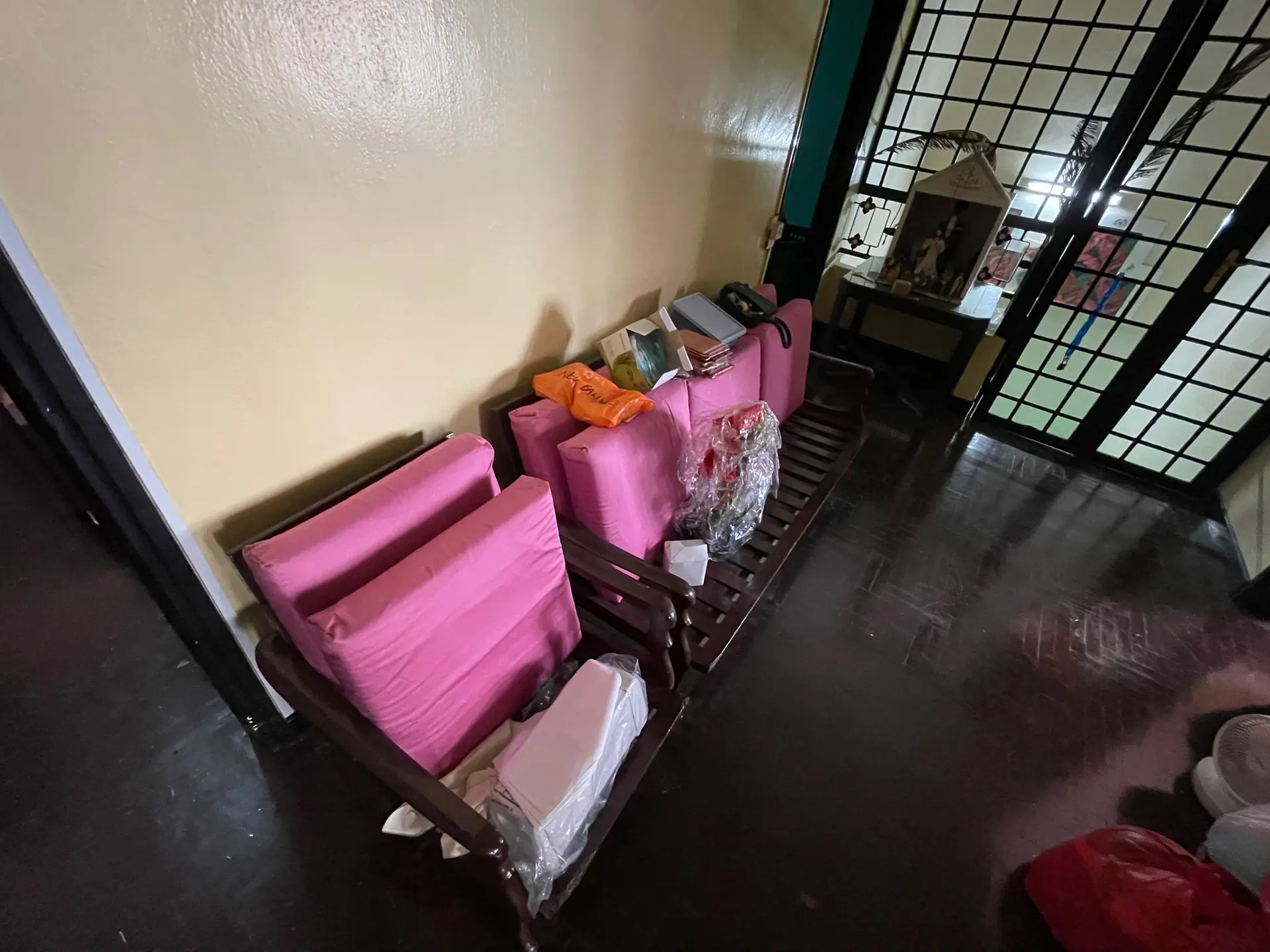
Getting bulky items out of an HDB flat means navigating standard passenger lifts and common corridors. There's no dedicated service lift. A king-size mattress or a three-seater sofa needs to fit through your front door, down the corridor, and into a standard passenger lift.
If it doesn't fit? Dismantling on-site is the answer. We've taken apart countless wardrobes, bed frames, and sectional sofas inside HDB flats because they simply won't clear the doorframe intact.
Your town council (whether it's Ang Mo Kio, Tanjong Pagar, or any other) does offer bulky item disposal — but only if you've dismantled the items yourself first. They won't take a whole wardrobe. And their collection schedule is fixed, which may not align with your handover date.
Condo Units
Condos typically have a service lift — but access to it requires booking through your building's management (MCST). This is your responsibility as the tenant. You'll need to check:
- Whether the service lift requires advance booking (many do, and notice periods vary by building)
- Whether lift padding is required (if so, it's arranged with your management, not the disposal crew)
- Loading bay access windows — some condos restrict to specific hours
Don't leave this to the last day. We've seen tenants lose half a day because they assumed the service lift would just be available. It wasn't. The management office was closed. The handover was that afternoon.
Plan ahead. Book the lift. Confirm the time slot.
Common Mistakes From Our 10+ Years on the Job
Mistake #1: Assuming the landlord wants your stuff. "But it's a nice sofa!" Doesn't matter. Unless they've said yes — in writing — it's abandonment, and you'll pay for its removal via deposit deduction.
Mistake #2: Leaving it for the last hour. Your final inspection is at 2pm. You show up at noon with a van. The lift is occupied. The items don't fit. Now you're handing over keys with junk still in the unit. We've taken calls from panicked tenants in exactly this situation — and while we do our best to accommodate urgent requests, same-day availability isn't guaranteed and additional charges may apply.
Mistake #3: Forgetting what's behind and above. Items on top of kitchen cabinets. Boxes shoved under the bed platform. That storage unit on the bomb shelter ceiling. Walk every room. Look up. Look behind.
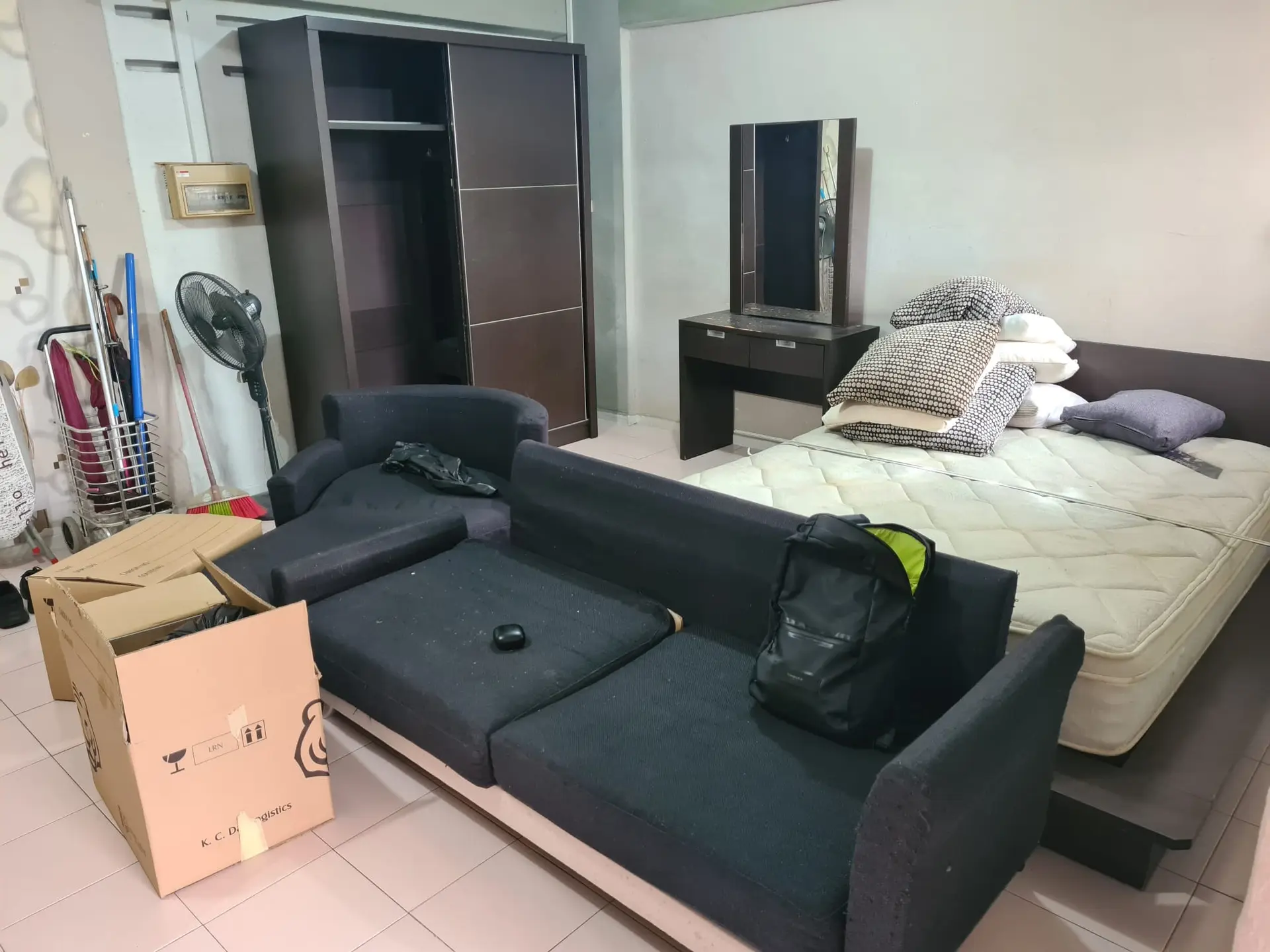
Mistake #4: Not documenting the cleared state. After everything is out, photograph every room. Timestamp matters. If a dispute arises weeks later, your photos are your evidence that the unit was clear at handover.
Mini-FAQ
Q: My landlord says I need to remove the aircon — but it was there when I moved in? Check your inventory list. If the aircon is listed as a landlord-provided fixture, you're only responsible for servicing (most agreements require a final aircon service with receipt). If you installed additional units, those need to come out and the wall opening needs to be sealed.
Q: Can I leave items if the next tenant agrees to take them? Technically, this is between you, the landlord, and the incoming tenant. Get it in writing from the landlord. A verbal "sure, leave it" means nothing when the deposit refund is processed weeks later by an agent who wasn't part of that conversation.
Q: What if I can't physically move the items myself? That's exactly what we handle. Send us photos of what needs to go via WhatsApp, and we'll provide a free quote. We manage the dismantling, heavy lifting, and disposal — including routing reusable items into second-hand channels where possible. Surcharges may apply for after-hours, Sundays, or walk-up buildings without lift access — all confirmed at the quote stage.
Don't Let Your Deposit Disappear Into a Skip
The simplest way to protect your deposit: clear everything that's yours, document it, and hand over a clean unit. If you're unsure what needs to go or you're short on time before your handover date, reach out.
WhatsApp us at 9888 1292 with photos of the items — we'll get back to you with a free quote. No obligation. No guesswork. Just a clear plan to get your space — and your deposit — sorted.