NEA EPR Scheme Explained: What Singapore's E-Waste Regulation Means for You
By Junk Value Team
You've probably seen the green e-waste bins popping up at community centres and electronics stores. Maybe you've heard the term "Extended Producer Responsibility" thrown around. But here's the question most Singaporean households still can't answer clearly: what does this regulation actually require — and what does it mean for the old TV sitting in your storeroom?
Most small-office clear-outs aren't emergencies. commercial team is set up for that case: planned, photo-quoted, no surprise charges.
Let's break it down. No jargon. No policy-speak. Just what you need to know as a resident trying to do the right thing with your electronics.
Why the EPR Scheme Exists (and Why It Matters Now)
Before 2021, Singapore had no structured system for e-waste. Your old laptop, your dead washing machine, that CRT television from 2003 — they'd end up in general waste, headed for incineration. Heavy metals, toxic components, recoverable materials — all lost.
The National Environment Agency introduced the Extended Producer Responsibility scheme to change that. The logic is straightforward: the companies that put electronic products into the Singapore market bear responsibility for collecting and recycling them at end-of-life.
This isn't a suggestion. It's regulation.
For you as a consumer, the practical impact is significant: more collection points, clearer take-back obligations from retailers, and a structured recycling ecosystem that didn't exist five years ago.
What's Actually Covered Under the EPR Scheme
Not all electronics fall under the regulation. The scheme targets specific categories of products — and understanding which ones matter helps you figure out your disposal options.
The Regulated Categories
1. ICT Equipment Laptops, desktops, tablets, printers, monitors, mobile phones, routers, hard drives. Basically anything with a screen or a processor that you'd find in a home office.
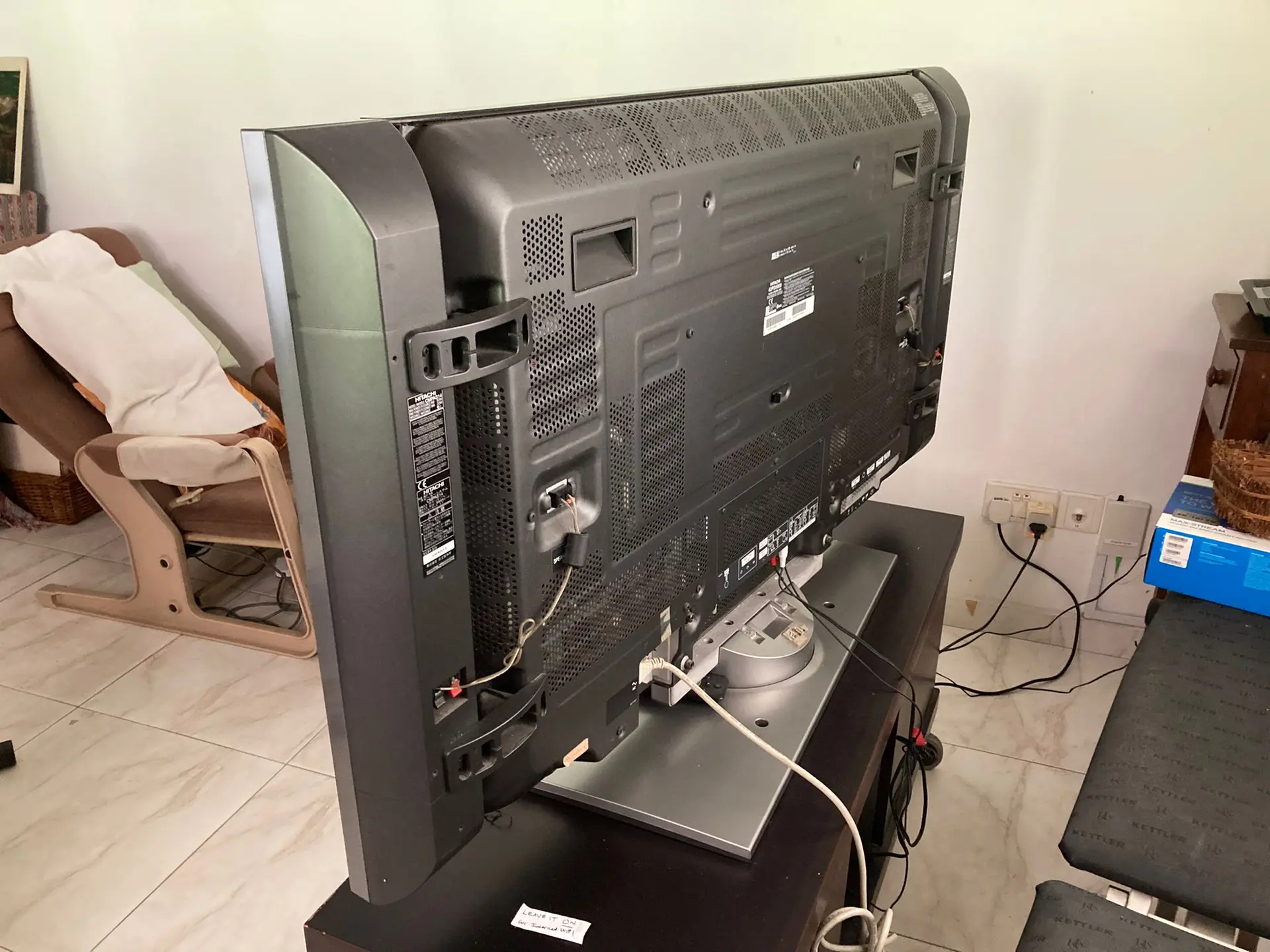
2. Large Household Appliances Refrigerators, washing machines, dryers, air-conditioners, televisions. The big stuff that's genuinely difficult to move — and genuinely problematic if it ends up in a landfill.
3. Batteries (including portable and industrial) This covers batteries embedded in products and standalone rechargeable batteries. Note: loose batteries in proper e-waste form are handled through designated collection points.
4. Lamps and Lighting Fluorescent tubes, compact fluorescent lamps, LED lamps. These contain small amounts of mercury and require proper recycling channels.
What This Means in Practice
Producers (manufacturers and importers) must finance and operate collection and recycling systems. Retailers selling covered products with a floor area of 300 square metres or more must offer free one-for-one take-back when you buy a replacement. Smaller retailers can participate voluntarily.
The scheme also established a network of e-waste collection points across Singapore — at community centres, electronics retailers, and other accessible locations.
What the EPR Scheme Doesn't Do for You
Here's where the gap lives. The regulation creates infrastructure. It doesn't solve your specific logistics problem.
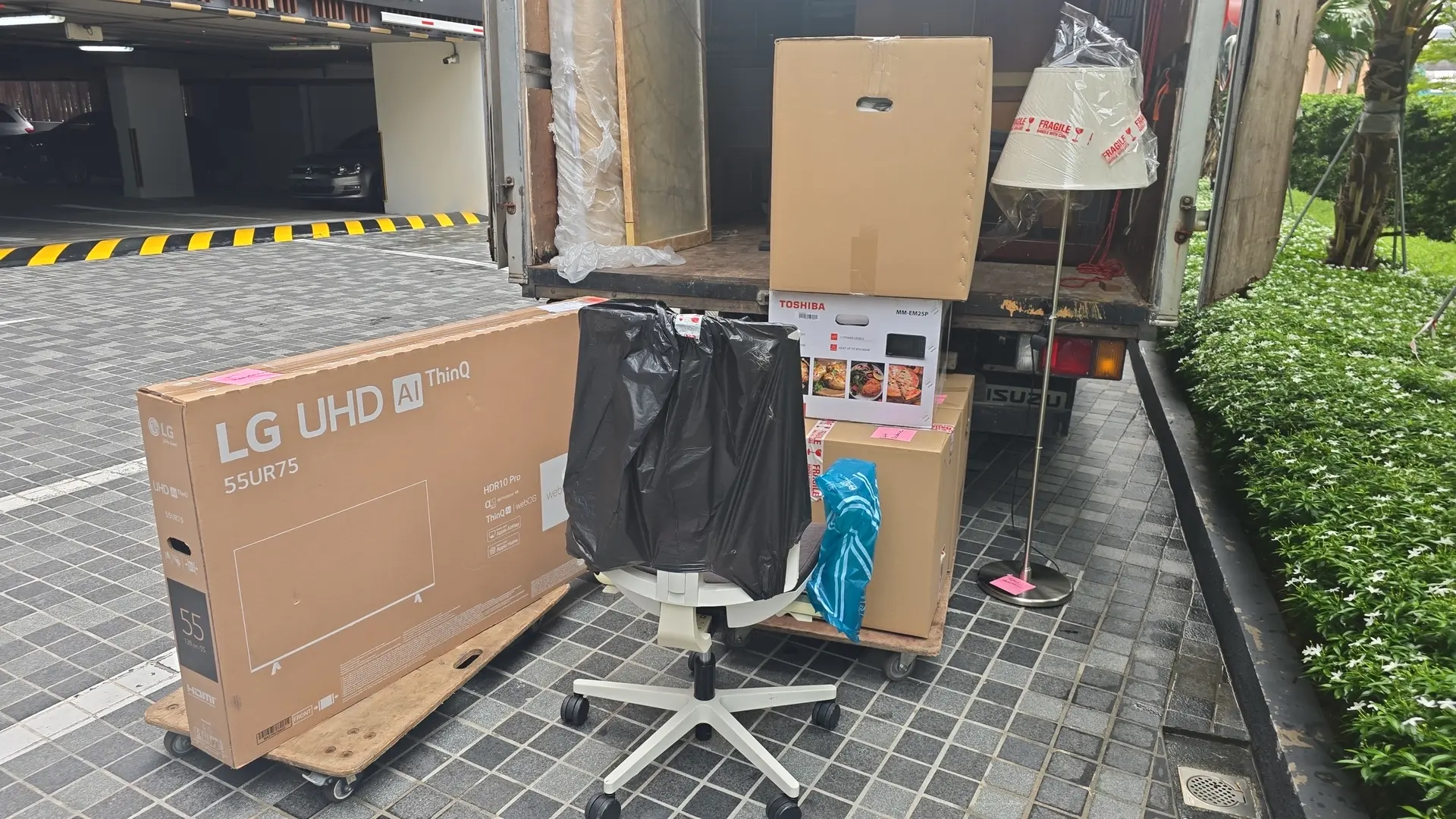
Consider the reality: you're renovating your 4-room HDB flat. You've got a 55-inch TV that still works but doesn't fit the new layout, a dead washing machine, and a box of old routers and cables. The EPR scheme says collection points exist. But:
- The TV doesn't fit in your car.
- The washing machine weighs 70kg and needs to come down from your unit, through the corridor, into the passenger lift, and out to the void deck.
- The nearest large-appliance collection point may not accept walk-in drop-offs for items that size.
- Retailer take-back only applies if you're buying a replacement from that specific store.
That's where the system meets friction.
How We Fit Into the Recycling Ecosystem
Let's be direct about what we are and aren't.
We are not an NEA-licensed e-waste collector. We don't claim to be. What we are is a disposal service that routes e-waste through proper recycling channels via licensed intermediaries. We handle the heavy lifting, the logistics, the corridor-and-lift manoeuvring — and we ensure your regulated items reach the appropriate recycling ecosystem rather than ending up in general waste.
In our 10+ years of clearing Singaporean homes, we've handled thousands of e-waste items — from vintage CRT sets that weigh more than a person to server racks from commercial offices. The pattern we see repeatedly: residents know they should recycle their electronics. They just can't physically get the items to the right place.
That's the gap we fill. Collection. Transport. Responsible routing.
HDB Logistics
For HDB residents, the challenge is real. No service lift. Standard passenger lifts with limited dimensions. Narrow corridors. A 65-inch TV or a double-door fridge doesn't cooperate with tight spaces. Our crew handles the manoeuvring, the protective wrapping to avoid corridor damage, and the loading.
Condo and Commercial Properties
For condos and commercial buildings, rules differ per building. Your MCST may require advance booking of the service lift, specific time slots for bulky-item removal, or lift padding during transport. You'll need to arrange approval with your building management ahead of our pickup — we can advise on what to ask for, but the request needs to come from you as the owner or tenant.
Common Mistakes We See After 10+ Years
Assuming town council bulky-item collection handles e-waste properly. Town councils will collect bulky items left at void decks on scheduled days — but only if you've dismantled them first. A whole washing machine sitting intact won't get picked up. And even when they do collect, there's no guarantee your e-waste enters the regulated recycling stream.
Waiting until renovation day. Contractors don't want your old appliances in their way. We've seen clients scramble on the morning their renovation crew arrives, trying to clear a fridge and two ACs with zero notice. Give yourself 24–48 hours of lead time and the process is smooth.
Mixing regulated e-waste with general bulky items in a single town council request. The town council isn't set up to sort your e-waste into proper recycling channels. If you care about responsible disposal — and the EPR scheme suggests you should — separate your electronics from your general furniture disposal.
Mini-FAQ
Q: Is the EPR scheme mandatory for me as a consumer? No. The legal obligation falls on producers and large retailers. As a consumer, you're not penalised for throwing e-waste in general bins — but the infrastructure now exists for you to do better. Collection points are free. Take-back at qualifying retailers is free when you buy a replacement. And services like ours handle the logistics when the item is too large or heavy to transport yourself.
Q: Can I just leave my old TV at the void deck for town council collection? Technically, town councils collect bulky items on scheduled days. But the item must be dismantled first — an intact television won't be picked up. And there's no structured e-waste recycling routing through that channel. If responsible disposal matters to you, a dedicated collection route is more reliable.
Q: Do you charge extra for e-waste versus regular furniture? We provide a free quote based on photos of your items. E-waste items are assessed the same way as any other disposal job — based on volume, weight, access logistics, and timing. Surcharges may apply for after-hours pickups, Sundays, public holidays, or walk-up buildings without lift access. Everything is confirmed at the quote stage. No surprises.
Ready to Clear Your E-Waste the Right Way?
Send us photos of what you need cleared. We'll quote you within the day — no obligation, no hidden costs. Whether it's a single dead monitor or a full flat's worth of old appliances before renovation, we handle the logistics and ensure everything reaches proper recycling channels.
WhatsApp us at 9888 1292 for a free photo-based quote.
It's fast. It's responsible. It's done.