HDB Clearance Singapore: The Complete Guide to Clearing Your Entire Flat
By Junk Value Team
You've got the keys back from the tenant, or the renovation contractor wants the flat empty by next Monday, or you've just inherited a three-room unit in Toa Payoh that hasn't been touched in twenty years. Every room is full. The corridor outside is narrow. The lift is a standard HDB passenger lift that fits maybe one wardrobe at a time — if you can even get the wardrobe out the front door.
A full HDB flat clearance is not the same job as dragging a single mattress downstairs. It's a sequenced operation involving dozens of items, multiple material types, and logistics that depend on your block's layout, your timeline, and what you're actually trying to achieve — renovation handover, lease return, estate settlement, or downsizing.
In our 10+ years of clearing Singaporean homes, we've handled hundreds of full flat clearances across every HDB estate on the island. This guide covers the whole process, start to finish.
What Does a Full HDB Flat Clearance Involve?
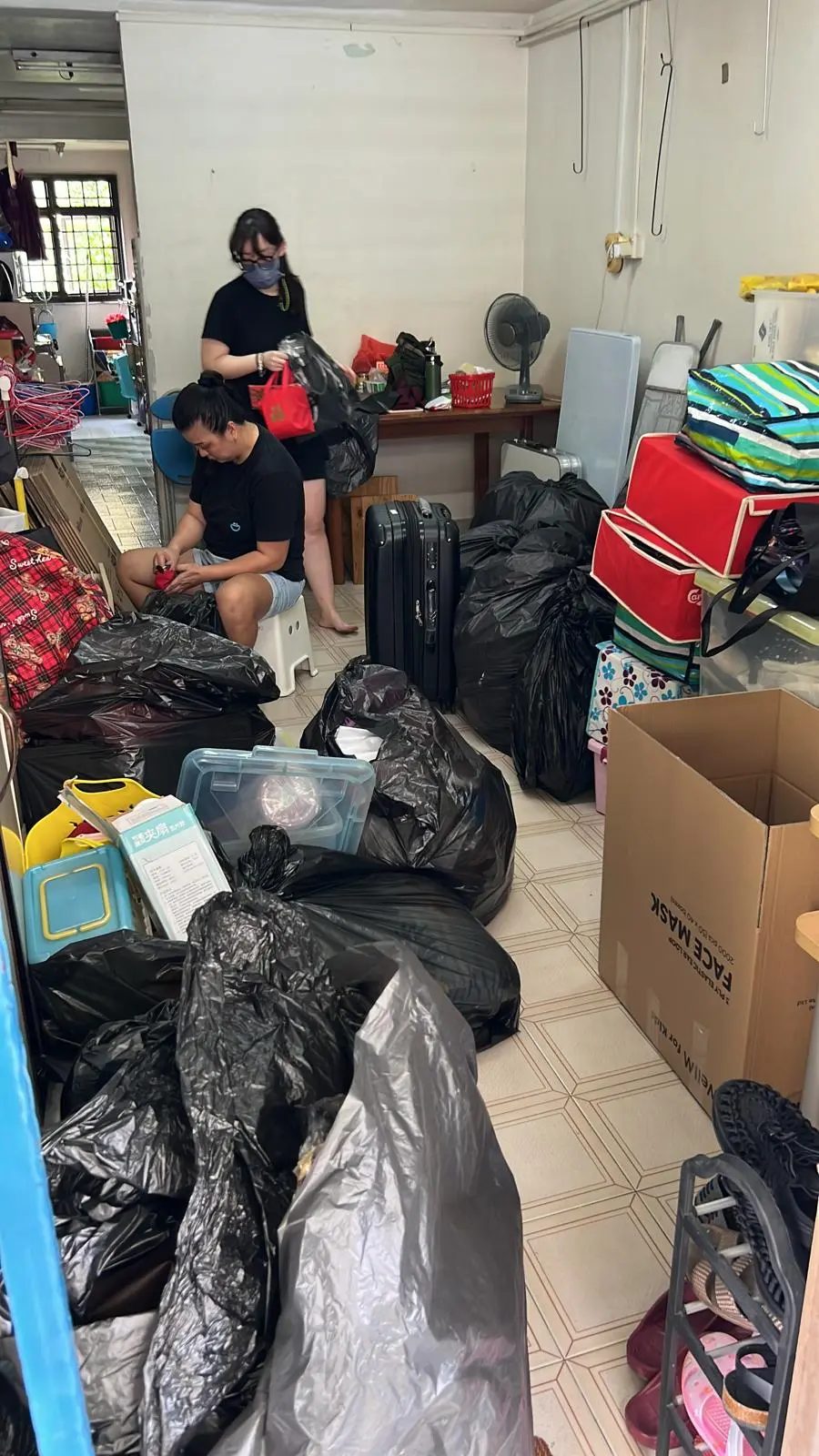
Most people underestimate the volume. A typical three-room HDB flat that's been lived in for a decade produces roughly a full lorry load of material — sometimes more. A five-room flat that hasn't been cleared in 30 years can fill two.
The scope breaks down into phases:
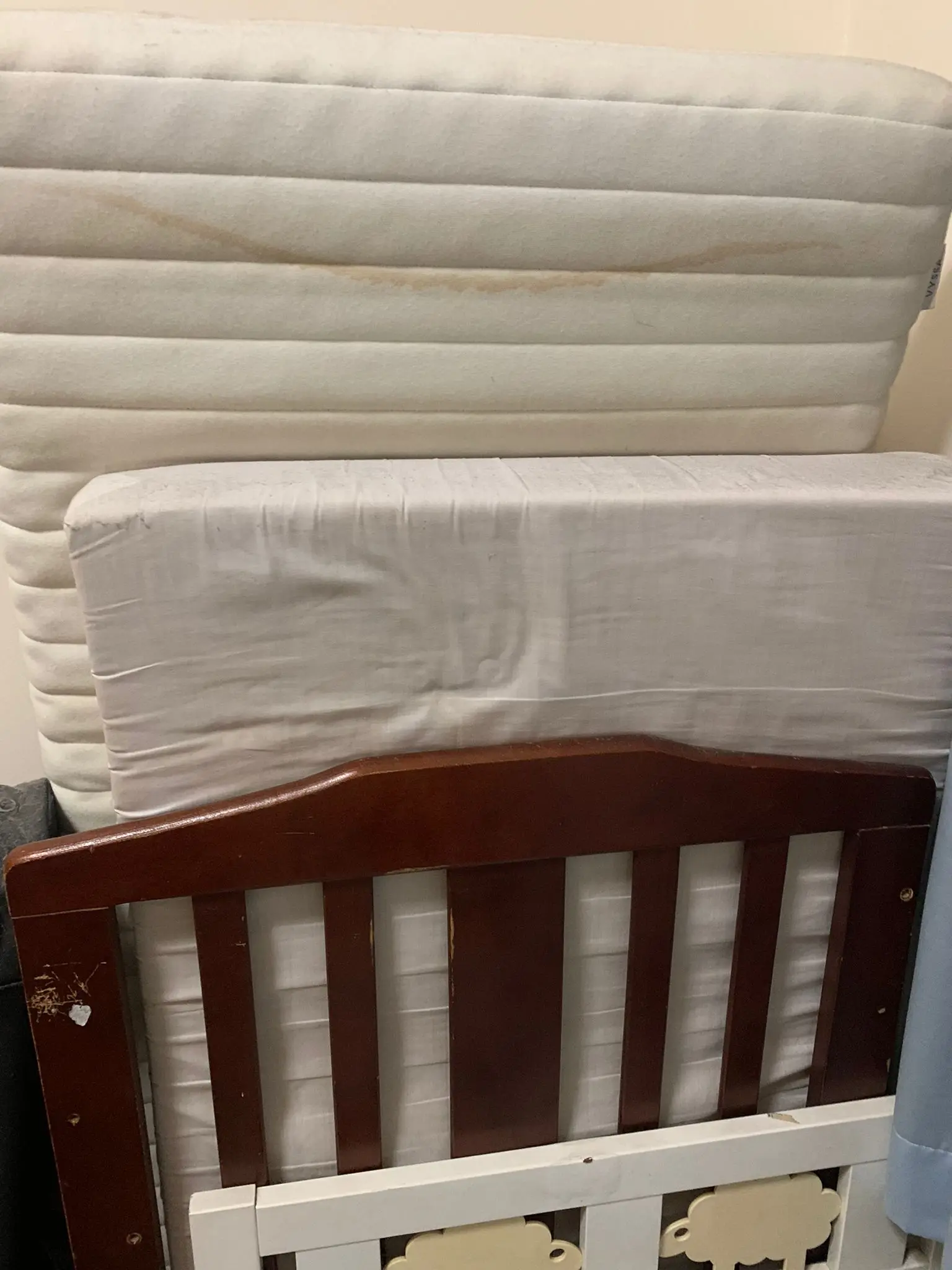
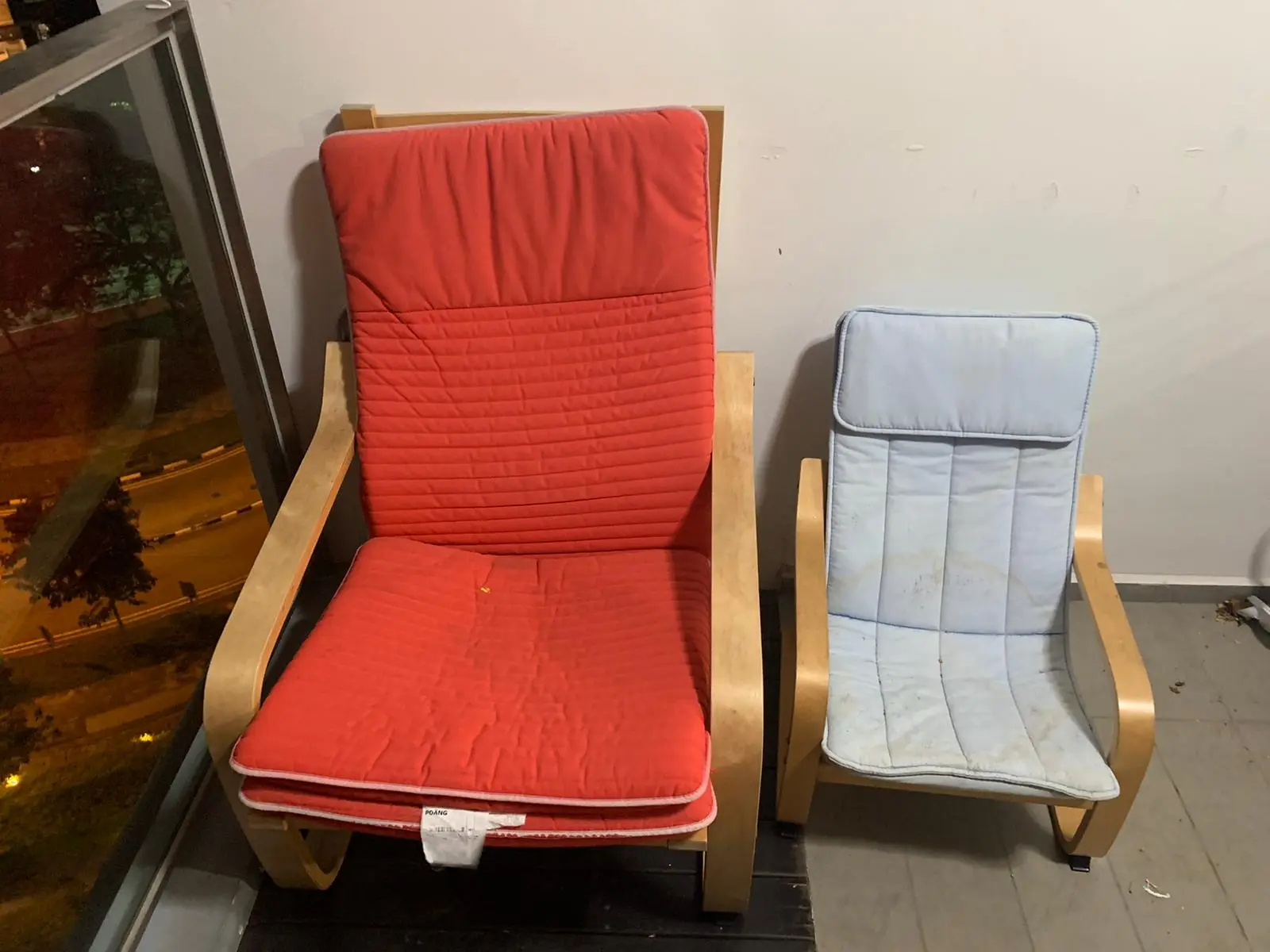
Soft items first. Mattresses, cushions, fabric-covered chairs, curtains. These are bulky relative to their weight and take up truck space fast. We clear them first to open floor area for the heavier work.
Furniture dismantling. Wardrobes built against the wall, platform beds with storage drawers, kitchen cabinets if they're freestanding. Solid wood pieces from the 1960s and 70s — the kind we regularly encounter in older Ang Mo Kio and Clementi flats — are genuinely heavy. A single teak wardrobe can weigh over 80 kg. These need to be partially dismantled indoors before they'll fit through the HDB front door and into the passenger lift.
Appliances. Fridges, washing machines, window-unit air conditioners. Each has its own handling requirement. Fridges contain refrigerant that needs proper routing. Washing machines are awkward dead weight. AC units may still be mounted.
Loose items and smalls. The boxes of crockery, the bags of clothes nobody sorted, the drawer full of cables. A full flat clearance means everything goes — not just the big pieces.
Leaving it tidy. Once the space is empty, the dust behind decades of furniture is real. We've cleared flats where the outline of a 1960s sideboard was visible on the floor in a clean rectangle surrounded by grime. On bigger clearances we sweep up where we can before we leave, so the space is ready for the next step, whether that's a contractor or a handover inspection.
For a detailed walkthrough of how we handle the full scope, see our full HDB flat clearance service page.
Can the Town Council Handle a Whole Flat?
This is the first question most HDB owners ask, and the answer is almost always no — not for a full flat.
Town councils do offer bulky item collection. But the critical detail most people miss: they require you to dismantle the items first. A whole wardrobe standing intact at the void deck won't be collected. A bed frame still assembled won't be collected. You need to break them down into manageable pieces yourself, then place them at the designated collection point during the scheduled collection window for your block.
For a single bookshelf you've already taken apart, that works. For an entire flat's worth of furniture — wardrobes, bed frames, a dining table, a sofa, kitchen shelving, and a decade of accumulated household items — the dismantling alone is a weekend project most families aren't equipped for. You need tools, you need to know which joints to attack, and you need somewhere to stage the pieces while you wait for the next collection day.
We've written a detailed breakdown of how town council bulk collection actually works and a separate piece on the collection schedule and what qualifies. Both are worth reading before you assume the council will handle it.
Our dismantling service exists precisely because of this gap. We bring the tools, we break down the pieces on-site, and we remove everything in one trip. No waiting for the next scheduled collection day, no pile of timber sitting in your corridor.
What If You Just Leave It at the Void Deck?
We get it. The temptation is real. You've got a sofa that weighs 40 kg, the lift is eight floors up, and you think: if I just get it downstairs, someone will take it or the town council will handle it.
Dumping bulky items at the void deck or common areas without following the proper disposal process is an offence. Town councils do enforce this, and fines apply. Beyond the financial risk, it creates problems for your neighbours and the cleaners who aren't equipped to move a three-seater sofa.
We cover the specifics — what actually happens when items get left at the void deck, who gets involved, and what the consequences look like — in our void deck disposal guide. The short version: it's not worth it.
Which Items Cause the Most Trouble?
After thousands of residential clearances, we can tell you exactly which items slow everything down.
Wardrobes. Especially the old solid-wood ones or the floor-to-ceiling built-in types common in older HDB flats. They don't fit through the front door intact. They're too heavy for two people to carry without dismantling. And the particle-board versions from the 90s tend to disintegrate unpredictably when you start removing screws. We've put together a step-by-step guide to wardrobe dismantling for anyone considering the DIY route.
Bed frames. Platform beds with built-in storage are the worst offenders. The mattress comes off easily enough, but the frame itself is bolted together and heavy. Older wooden bed frames sometimes have joints that have swollen shut over decades of humidity. Our bed frame disposal guide covers the common types and what each involves.
Kitchen cabinets. Freestanding ones are straightforward. Wall-mounted ones that have been screwed into the concrete wall for 25 years are a different story — the screws are often rusted in place, and the cabinet backs tend to crack when you try to pry them off. Our kitchen cabinet removal guide walks through the process.
Sofas. A three-seater sofa is the single most awkward item in a typical HDB flat. It's too wide for most HDB corridors when carried flat, too heavy to tilt easily, and the frame is designed to resist exactly the kind of forces you'd apply when trying to wrestle it through a doorway. L-shaped sofas are worse. If you're dealing with one, our sofa disposal guide is a good starting point.
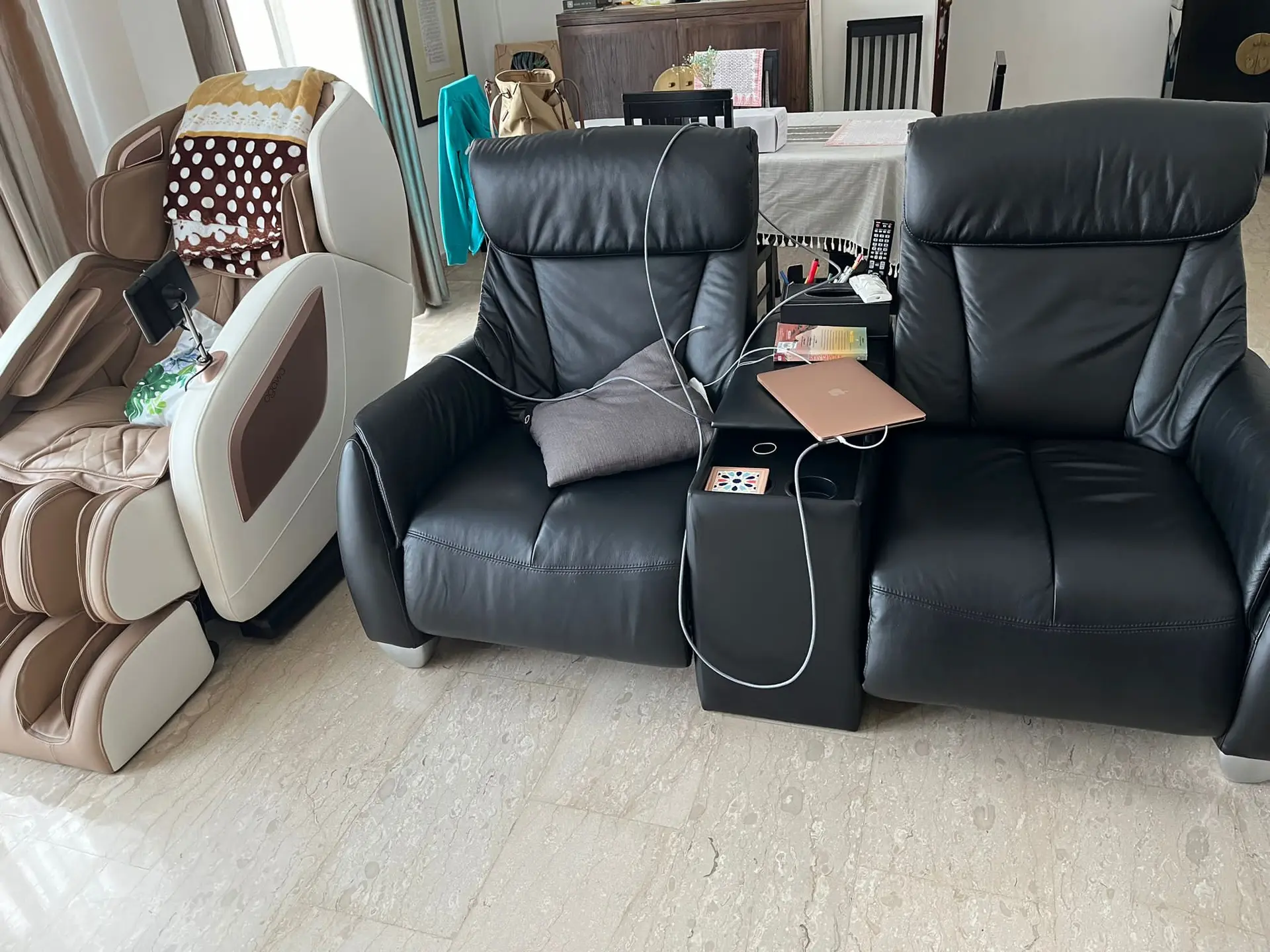
Recliners and massage chairs deserve a special mention. They're deceptively heavy — a single massage chair can weigh 80–120 kg — and their mechanisms make them bulky in every dimension. We regularly clear these from HDB flats where the owner bought them online and didn't think about how they'd eventually leave.
What If There Is No Lift on Your Floor?
Older HDB blocks — particularly the walk-up blocks from the 1960s and 70s still standing in estates like Queenstown, Tiong Bahru, and parts of Ang Mo Kio — have no lift at all. Others have lifts that only stop on certain floors, meaning you might live on the 8th floor but the lift stops at 7.
Walk-up clearances are a fundamentally different job. Every item goes down the stairs, carried by the crew. A full flat clearance in a walk-up block takes significantly longer and requires more manpower than the same job in a lift-accessible block.
Surcharges apply for walk-up buildings and stair carries — this is confirmed at the quoting stage so there are no surprises. We go into the specific challenges and logistics in our walk-up HDB removal guide.
Is It Cheaper to Clear Everything at Once?
Almost always, yes — compared to clearing items one at a time over multiple trips.
Think about it from a logistics perspective. A single trip to your block involves the same drive time, the same crew mobilisation, and the same truck allocation whether we're collecting one wardrobe or clearing three rooms. When you consolidate everything into a single clearance, the per-item cost drops because the fixed overheads are spread across the whole load.
This is particularly relevant for renovation clearances, where you know the flat needs to be completely empty by a specific date. Trying to clear items piecemeal — a sofa this week, the bed frame next week, the kitchen stuff the week after — means three separate trips, three separate scheduling windows, and a higher total cost.
We've written more about the economics and logistics of same-day multi-item disposal for anyone weighing up the options.
The process is simple: send us photos of everything that needs to go via WhatsApp, and we quote the whole job as a single clearance. No need to itemise or categorise — that's our job.
What Does a Real Flat Clearance Look Like?
We document our jobs regularly, and two recent Ang Mo Kio projects illustrate what a full HDB clearance actually involves.
In one, a family was preparing a flat for full renovation. The unit was filled with furniture from the 1950s and 60s — solid teak wardrobes, heavy vanity tables, wooden bed frames with joints that hadn't been touched in decades. These pieces are beautiful in their own way, but they're extraordinarily heavy. A single wardrobe from that era can take three crew members to manoeuvre through the corridor. We cleared the entire flat, handled the dust and debris that had accumulated behind furniture that hadn't moved in 30+ years, and left the space swept and ready for the renovation contractor. You can read the full case study from that AMK clearance.
A separate job in the same estate involved vintage furniture from a similar era — the kind of heavy rosewood and teak pieces that younger family members often don't want but can't physically move out themselves. We handled the full logistics from the flat to the truck, navigating the standard HDB passenger lift and narrow common corridor.
Both jobs reinforced something we see constantly: the items that are hardest to clear are often the ones that have been in the flat the longest. They're heavy, they're wedged into spaces they were carried into decades ago, and the building around them has sometimes been renovated since, making doorways tighter than they were originally.
Is an Executive Condo Treated as HDB or Private?
This comes up more often than you'd expect, and the answer matters for logistics.
Executive condominiums occupy a grey zone. During the Minimum Occupation Period, they're subject to HDB rules. After privatisation, they function like private condos — complete with MCST management, potentially stricter lift booking requirements, and different common-area access rules.
The practical impact on a clearance job: a privatised EC may require you to book the service lift through the MCST, arrange lift padding through building management, and follow specific time windows for bulky item removal. An EC still under HDB rules won't have a service lift — it'll have the same passenger-lift logistics as any other HDB flat.
We break down the distinction and what it means for your disposal planning in our executive condo disposal guide. The key takeaway: check your EC's status before booking, and if it's privatised, confirm the building's disposal rules with your management office ahead of time. We do not liaise with building management on your behalf — that's something the owner or tenant handles directly.
HDB Clearance FAQs
Do you buy or offer trade-in value for items you collect? No. We are a disposal service, not a buyback service. We don't pay for items collected, and there's no trade-in, credit, or compensation involved. Where items are still in reusable condition, we route them into second-hand channels where possible — but that's part of our commitment to reducing landfill waste, not a transaction with the customer.
How quickly can you clear a full flat? It depends on the flat size, the volume of items, floor access, and our current schedule. We don't guarantee same-day or express timeslots, but urgent requests can sometimes be accommodated subject to availability — additional charges may apply. Send photos via WhatsApp and we'll give you a realistic timeline with your quote.
Do I need to sort or bag everything before you arrive? No. A full flat clearance means we handle everything in the space. You don't need to sort, bag, or categorise. If there are specific items you want to keep, just point them out or mark them before we start. Everything else goes.
Are there surcharges I should know about? Surcharges may apply for after-hours pickups, Sundays, public holidays, walk-up buildings, and stair or ramp access. All surcharges are confirmed at the quoting stage — nothing is added after the fact.
What items can't you take from an HDB flat? We handle furniture, appliances, renovation debris, e-waste, mattresses, and general household items. We cannot take chemicals, asbestos, loose batteries, food or biological waste, cooking gas tanks, or anything hazardous or explosive. Paints and solvents are fine.
Related Guides
- Full HDB Flat Clearance — Our Service Page
- Town Council Bulk Item Collection: What You Need to Know
- Walk-Up HDB Bulky Item Removal: The Real Challenges
Ready to clear your flat? Send us photos of the space via WhatsApp and we'll quote the whole job — no itemising needed on your end.
📱 WhatsApp us at 9888 1292 for a free quote.