Singapore Household Waste Statistics: Where Your Old Sofa Fits in the Bigger Picture
By Junk Value Team
Here's a number that should stop you mid-scroll: Singapore generated over 7.68 million tonnes of solid waste in 2023. That's roughly 1.3 tonnes per person per year — enough to fill more than 3,000 Olympic swimming pools.
If you'd rather route the whole pile responsibly without the trip to a public collection bin, E-Waste Collection sorts and routes it through licensed recyclers — clear quote first.
And here's the part most people don't think about: a meaningful slice of that total comes not from factories or construction sites, but from ordinary households. Your old wardrobe. That broken washing machine. The mattress you've been meaning to get rid of for six months.
In our 10+ years of clearing Singaporean homes, we've watched bulky-item volumes climb steadily. More renovations, more furniture turnover, more appliances reaching end-of-life. The national statistics confirm what we see on the ground every week.
How Much Waste Do Singapore Households Actually Produce?
According to NEA's publicly available waste statistics, domestic waste accounts for a substantial portion of Singapore's total waste stream. The domestic recycling rate has hovered stubbornly around 12–17% in recent years — far below the overall national recycling rate (which gets boosted by industrial materials like ferrous metals and construction debris).
That gap matters. It means most household items — including bulky furniture, old appliances, and general clutter — end up incinerated rather than recycled or reused.
The breakdown looks something like this:
- Daily household waste: food scraps, packaging, paper, plastics — collected by licensed public waste collectors on regular schedules
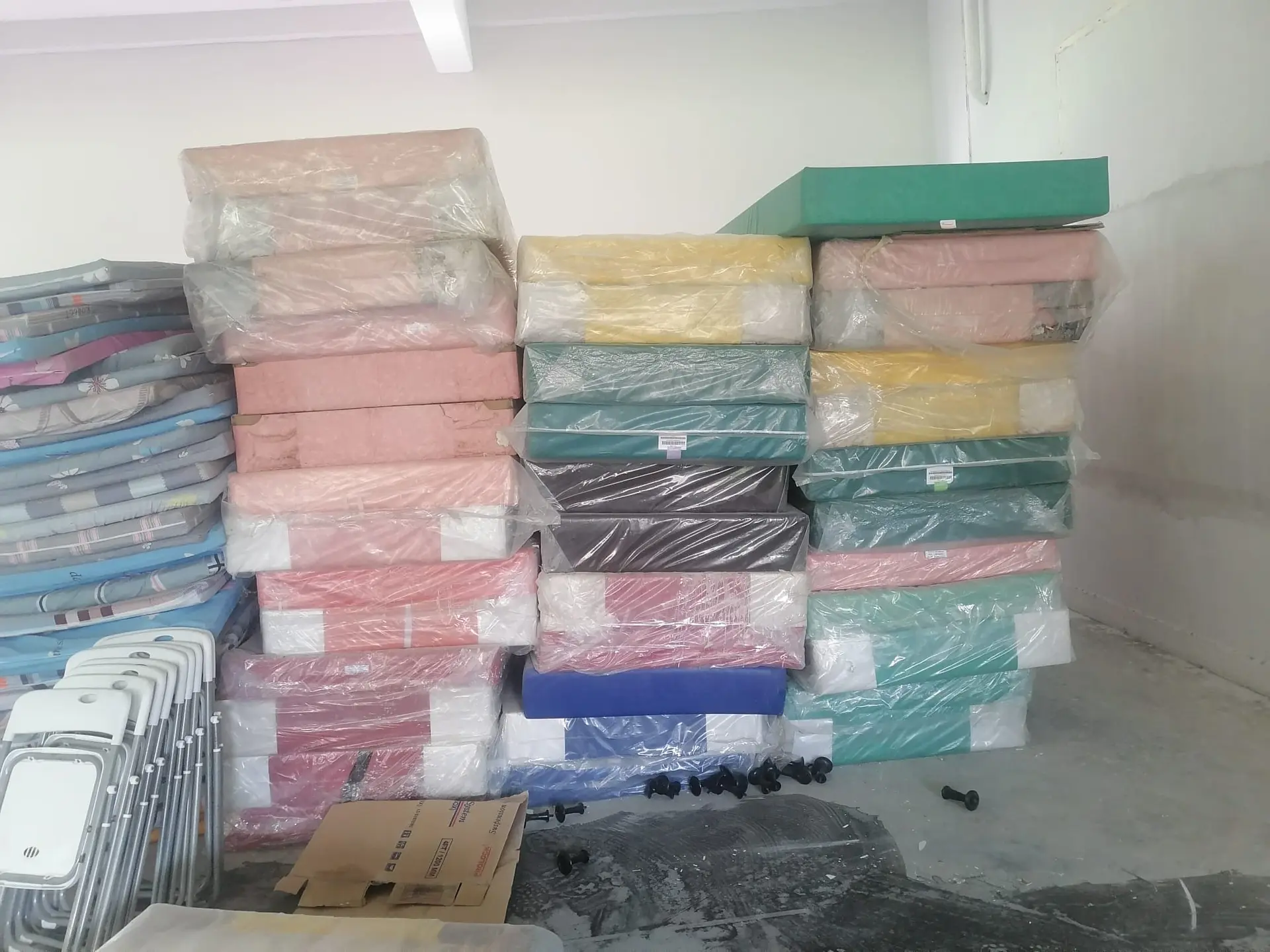
- Bulky household waste: furniture, mattresses, large appliances, renovation debris — requires separate disposal arrangements
- E-waste: electronics, monitors, computers — regulated under the Extended Producer Responsibility scheme since 2021
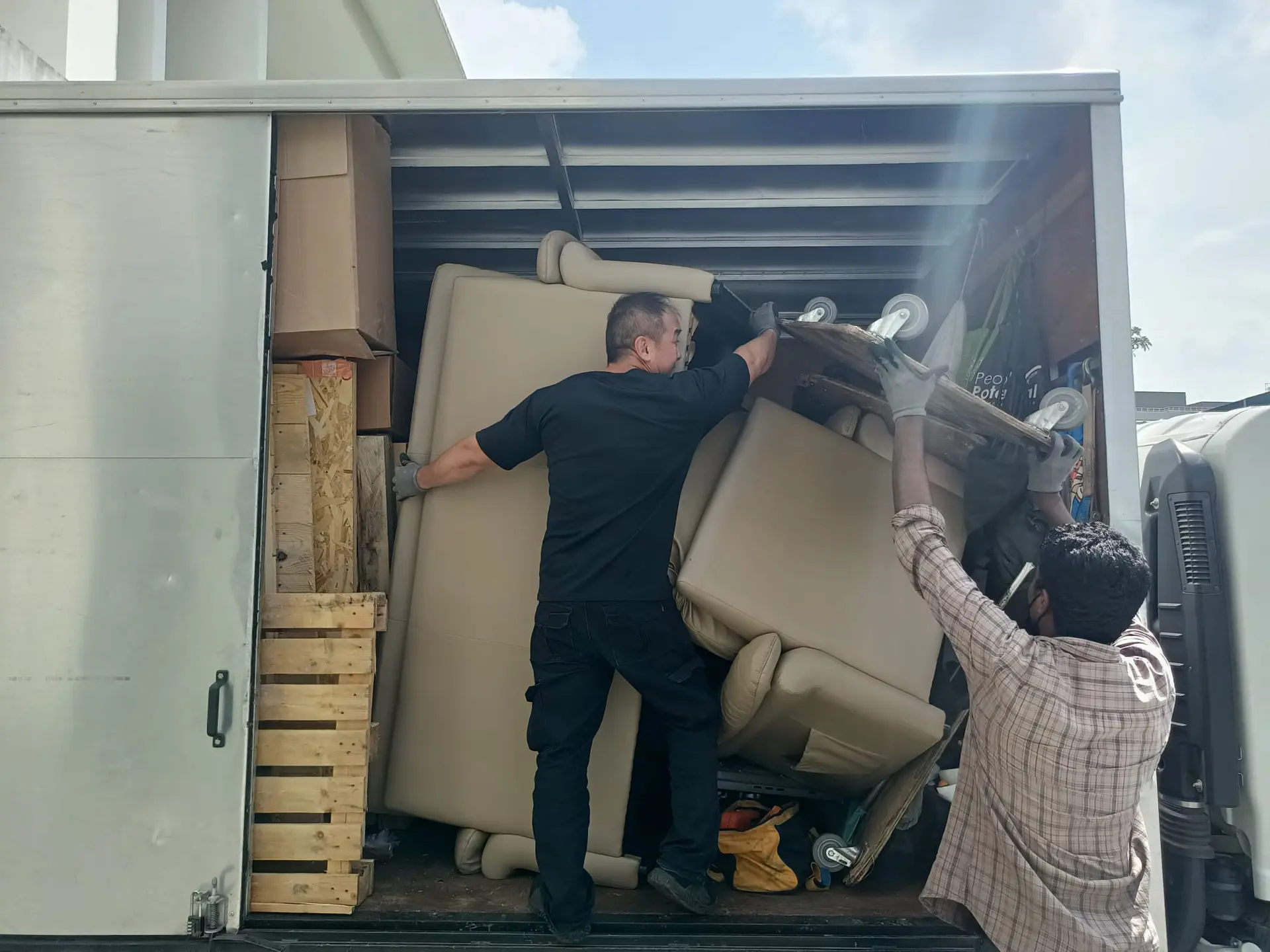
The daily waste stream gets the most policy attention. But bulky items represent a disproportionate volume problem — a single three-seater sofa takes up more landfill space than weeks of a family's bagged garbage.
Why Individual Disposal Choices Scale Into a National Problem
Singapore's waste infrastructure has finite capacity. Semakau Landfill — our only landfill — was originally projected to last until 2035. Every tonne diverted from incineration and landfill extends that timeline.
When a household disposes of a reusable bookshelf by leaving it at the void deck for the town council to collect, that item typically goes straight to incineration. No sorting. No second life. Multiply that by thousands of households renovating or moving each month, and you get a systemic problem disguised as individual convenience.
The Singapore waste generation rate for households has been climbing because of:
- Shorter furniture replacement cycles (fast-furniture culture)
- More frequent home renovations — especially among BTO owners hitting their 5-year MOP
- Appliance upgrades driven by energy efficiency incentives
- Downsizing moves as older Singaporeans right-size their living spaces
Each of these triggers a disposal event. How that disposal happens — whether items get routed into second-hand channels, recycled for materials, or simply burned — is where individual choices aggregate into national outcomes.
What Actually Happens to Bulky Items in Singapore
The Town Council Route
HDB town councils — whether it's Ang Mo Kio Town Council, Tanjong Pagar Town Council, or Jurong-Clementi Town Council — do offer bulky-item collection. But there's a catch most residents discover too late: the item must be dismantled first. A whole wardrobe left at the void deck won't get picked up. An intact queen-size bed frame? Same story.
Town councils schedule collections on specific days, and they won't dismantle anything for you. If you can't break down a solid-wood wardrobe from the 1960s (and trust us, those old pieces are heavy), you're stuck.
The Professional Disposal Route
This is where services like ours come in. We handle dismantling, carry-down from upper floors via passenger lifts and corridors, transport, and routing — whether that means sending reusable items into second-hand channels where possible, recycling metals and paper, or directing residual waste through licensed intermediaries who do further sorting before materials reach their final destination.
HDB vs Condo Logistics
For HDB flats, the reality is navigating standard passenger lifts and narrow corridors. There's no service lift. A king-size mattress needs to be angled through doorways and common corridors — something we've done hundreds of times across estates from Jurong West to Bedok.
For condos, rules differ per building. Most MCSTs require advance booking of the service lift and may mandate lift padding for furniture moves. That's between you and your building management — owners or tenants need to arrange approval and any required padding directly with the MCST ahead of the pickup. We work within whatever access window you've secured.
Common Mistakes We've Seen Over 10+ Years
Mistake #1: Assuming the town council handles everything. They don't. Whole items get ignored. We've had customers call us after their wardrobe sat at the void deck for two weeks, collecting complaints from neighbours and a potential fine from the town council.
Mistake #2: Underestimating weight. That vintage teak cabinet from your parents' flat? It might weigh 80–100kg. We've cleared 1950s and 60s furniture from Ang Mo Kio flats where a single dresser needed two crew members and careful manoeuvring through tight HDB corridors.
Mistake #3: Waiting until the last day before renovation. Contractors won't start hacking if your old furniture is still in the flat. We've seen homeowners lose a full day of contractor time — and pay for it — because they left disposal to the last minute. Typically 24–48 hours' notice is all we need to schedule a clearance.
Mistake #4: Mixing hazardous items with regular bulky waste. We handle paints and solvents, but cooking gas tanks, loose batteries, chemicals, and biological waste are out. Knowing this upfront saves everyone time.
Mini-FAQ
Q: How much of Singapore's domestic waste actually gets recycled? The domestic recycling rate has remained between 12–17% in recent years, according to NEA figures. This is significantly lower than the overall national rate, which benefits from high recycling of industrial materials like construction and demolition waste, and ferrous/non-ferrous metals.
Q: Do bulky items count toward Singapore's waste statistics? Yes. Bulky household items — furniture, mattresses, large appliances — are part of the domestic waste stream. They represent a disproportionate volume relative to their weight, and most end up incinerated unless actively diverted through reuse or recycling channels.
Q: Can I just leave bulky items at the void deck for collection? Only if they're dismantled first, and only on your town council's scheduled collection days. Intact items left out may result in complaints or fines. Surcharges may apply for after-hours or non-lift access scenarios — confirmed at quote stage when you contact us.
Make Your Next Disposal Count
Every piece of furniture you dispose of responsibly is one less item heading straight to incineration. We route reusable items into second-hand channels where possible, recycle metals and paper, and ensure residual waste reaches proper recycling channels through licensed intermediaries.
It's not about guilt. It's about making the practical choice that also happens to be the better one for Singapore's limited landfill capacity.
Ready to clear out? WhatsApp us at 9888 1292 with a few photos of what needs to go. Free quote, no obligations. We'll handle the rest — dismantling, carry-down, transport, and responsible disposal routing.
It's fast. It's clean. It's done.