How to Choose an Eco-Friendly Disposal Service in Singapore (Without Falling for Greenwashing)
By Junk Value Team
Every disposal company in Singapore claims to be "eco-friendly" now. It's on their homepage, their Google ads, their WhatsApp auto-replies. But here's the uncomfortable truth: most of them can't tell you where your old wardrobe actually ends up after it leaves your flat.
If you'd rather hand the whole thing to a crew, residential pickup is what we do — we'll send a clear photo quote first so you know what affects the price before pickup day.
In our 10+ years of clearing Singaporean homes, we've watched "green disposal" become a marketing checkbox rather than an operational reality. That's a problem — because Singapore's only landfill, Semakau, has a finite lifespan. Your choice of disposal company has real downstream consequences.
This post gives you a practical checklist. Not vague advice. Specific questions to ask, red flags to watch for, and realistic expectations about what responsible disposal looks like in 2026.
Why This Matters More Than You Think
Singapore generates roughly 7 million tonnes of solid waste annually. The national recycling rate for domestic waste hovers stubbornly below 20%. Every piece of furniture, every appliance, every bag of renovation debris that gets tossed without sorting contributes to that number.
When you hire a disposal service, you're essentially outsourcing the last mile of your waste's journey. A responsible operator sorts, routes reusable items into second-hand channels where possible, separates recyclable materials (metals, paper, certain plastics), and sends only true residual waste to licensed intermediaries for final processing.
An irresponsible one? Dumps everything in a single load. Fast for them. Terrible for everyone else.
The Five Questions That Separate Real Green Operators from Greenwashers
1. "Where Do My Items Actually Go After Pickup?"
This is the single most revealing question you can ask. Listen carefully to the answer.
Green flag: The company can describe a sorting process — even if they don't name specific partners. They'll mention categories: metals get separated, reusable furniture gets routed differently from broken items, e-waste goes through proper recycling channels.
Red flag: Vague deflections like "we handle everything responsibly" or "it all goes to recycling." If they can't describe how materials get sorted, they probably don't sort.
2. "Do You Sort On-Site or at a Yard?"
Sorting takes time and space. Some operators sort at the point of collection (separating obvious recyclables from waste). Others bring everything to a yard for secondary sorting. Both are valid approaches.
What's not valid: no sorting at all. If a company loads your entire flat's contents into one truck and drives straight to a disposal point, there's no diversion happening.
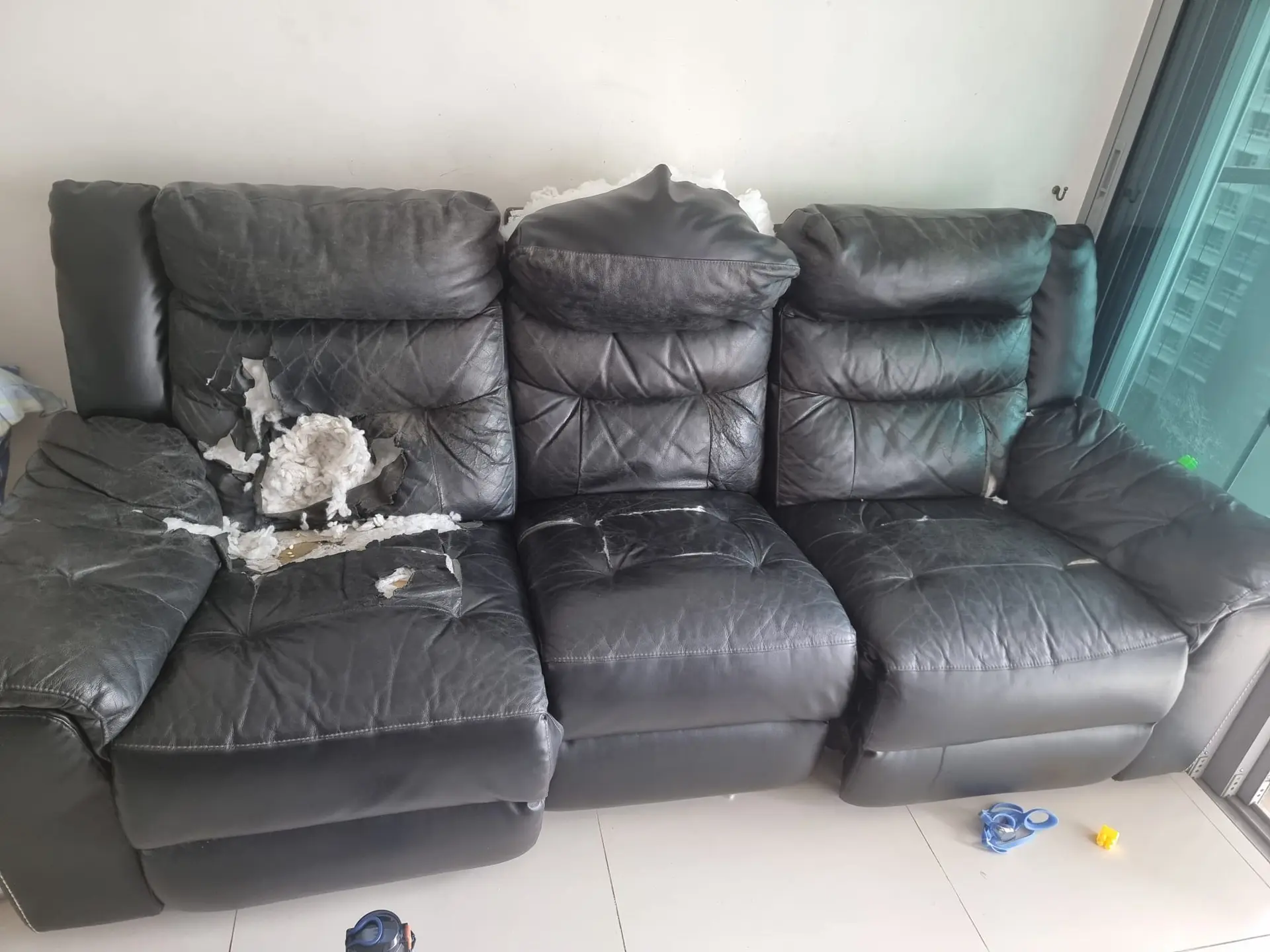
Appliances like refrigerators and washing machines contain recoverable metals, compressors, and components that should never go straight to landfill. A responsible operator routes these through proper recycling channels — not into a general waste skip.
3. "What Happens to Items That Are Still Usable?"
Here's where you'll hear the most creative answers. Some companies claim donation partnerships they don't actually maintain. Others say "we recycle everything" — which is physically impossible for mixed household waste.
Realistic expectation: A good operator routes reusable items into second-hand channels where possible. Not everything gets a second life. A water-damaged mattress isn't going anywhere but disposal. But a solid teak dining table from the 1970s? That has value, and a responsible company recognises it.
4. "What's Your Approach to Landfill Diversion?"
Don't expect a percentage. Very few operators in Singapore track precise diversion rates (and anyone quoting you "90% recycling" without documentation is likely inflating). What you want to hear is a process description:
- Materials get categorised
- Metals and paper are separated for recycling
- Usable items get a second pathway
- Residual waste goes through licensed intermediaries who do further sorting before final processing
That's honest. That's real.
5. "Can You Show Me Evidence of Past Jobs?"
Photos. Google Business Profile updates. Actual documentation of work done. A company that regularly photographs and posts their completed jobs isn't just marketing — they're creating accountability.
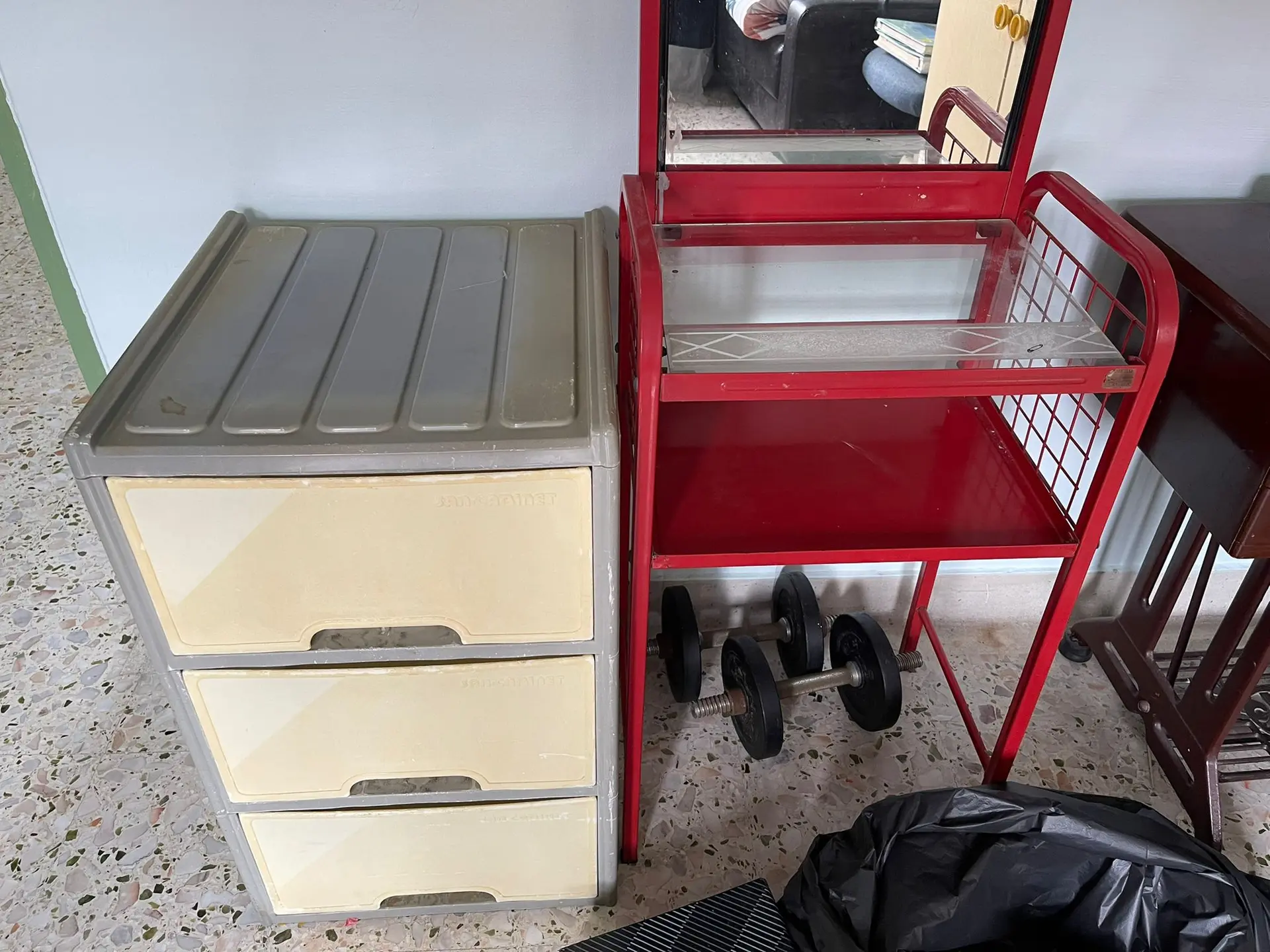
Detailed documentation — even something as simple as measuring a sectional sofa before removal — signals an operator who plans rather than improvises. Planning means fewer items damaged in transit, which means more items eligible for reuse rather than landfill.
Red Flags That Should Make You Walk Away
In our decade-plus of operating in this industry, we've seen patterns. Here's what should concern you:
"We recycle 100% of everything." Physically impossible. Some materials (certain composites, heavily contaminated items, specific plastics) cannot be recycled with current infrastructure in Singapore. Anyone claiming total recycling is either lying or doesn't understand their own supply chain.
No photos of actual work. Stock images of green trucks and recycling symbols aren't evidence. Real operators have real job photos — messy, unglamorous, taken on-site.
Unwillingness to explain the process. If asking "where does my stuff go?" gets you a defensive response or a subject change, that tells you everything.
Suspiciously low pricing with "eco" claims. Responsible disposal costs more than dumping. Sorting takes labour. Routing takes logistics. If someone's offering rock-bottom prices and claiming green credentials, one of those claims isn't true.
HDB vs Condo: The Logistics Affect the Eco Outcome
Here's something most people don't consider: the physical logistics of removal affect whether items survive the journey intact — which directly impacts reusability.
HDB flats mean navigating standard passenger lifts and narrow corridors. A solid wood wardrobe from the 1960s (we clear plenty of these in estates like Ang Mo Kio) needs careful manoeuvring. Rush it, damage it, and it becomes waste instead of a reusable item.
Condos typically have service lifts that accommodate larger items — but the owner or tenant must arrange access and any required lift padding with their building management ahead of the pickup. Rules differ per building. The MCST sets the terms, not us.
The point: a disposal company that takes time to handle items carefully isn't just being "nice." They're preserving reuse potential. Speed without care creates waste.
Common Mistakes We've Seen Over 10+ Years
Assuming town council pickup is the green option. Town councils require you to dismantle items yourself before collection. That intact wardrobe? They won't take it whole. And once you've broken it into pieces, it's no longer reusable — it's just debris. Dismantling for council pickup often destroys reuse potential.
Waiting until the last day before renovation. Rushed timelines mean less opportunity for sorting and routing. Give your disposal company at least 24–48 hours' notice. Better outcomes happen when there's time to plan.
Mixing hazardous items with general waste. We don't take chemicals, asbestos, loose batteries, cooking gas tanks, or biological waste. Neither should any responsible operator. If a company says "we take everything, no questions," that's not flexibility — that's negligence.
Mini-FAQ
Q: Is there a certification I should look for in Singapore? There's no single "green disposal" certification for general junk removal operators in Singapore. What matters more is whether the company can describe their actual sorting and routing process. Ask the questions above — the answers reveal more than any badge.
Q: Should I sort my items before the disposal crew arrives? It helps, but it's not required. Separating obvious categories (electronics in one area, furniture in another, renovation debris separate) makes the crew's job faster and improves sorting accuracy. But a good operator will sort regardless.
Q: How do I know my e-waste is being handled properly? E-waste (computers, TVs, monitors, old phones) should be routed through proper recycling channels — not mixed with general waste. Ask specifically about e-waste handling. A responsible operator separates these items and ensures they reach appropriate processing facilities.
Ready to Choose Responsibly?
We can't make the decision for you. But we can show you exactly how we handle your items — from the moment we arrive at your flat to where materials end up. No vague promises. Just honest answers to every question on this checklist.
Send us photos of what you need cleared. We'll give you a free quote and walk you through the process.
WhatsApp us at 9888 1292 — ask us anything.