Sustainable Junk Disposal in Singapore: Cutting Through the Green Claims
By Junk Value Team
Every Disposal Service Claims to Be "Green." Here's How to Tell Who's Bluffing.
Search for junk removal in Singapore and you'll find the same language everywhere. Eco-friendly. Sustainable. Green disposal. It's on every website, including ours. The difference? Some services can explain exactly what happens to your items after pickup. Others can't — or won't.
When you're past the DIY threshold, residential clearance flow sits at the affordable end of the market: we WhatsApp you a clear quote from photos, no surprise charges on the day.
In our 10+ years of clearing Singaporean homes, we've watched "sustainability" become a marketing checkbox rather than an operational reality. And honestly? That's a problem for everyone. It erodes trust. It makes conscientious homeowners cynical. And it means the services doing genuine material sorting get lumped in with those who truck everything straight to incineration.
This post is our attempt at transparency. We'll explain what a disposal service can realistically do, what's physically impossible to promise, and the exact questions you should ask before booking anyone — including us.
Why This Matters More Than You Think
Singapore sends roughly 6 million tonnes of solid waste to Semakau Landfill annually. The island is projected to reach capacity by 2035. That's not a distant problem. That's nine years away.
For households, the maths is simple: every sofa, wardrobe, and washing machine that gets properly sorted — metal extracted, wood channelled to biomass, reusable items routed into second-hand markets — reduces the volume hitting incineration plants at Tuas South.
But here's the uncomfortable truth. No single disposal company controls the entire chain. We collect. We sort. We channel materials to licensed intermediaries who do further processing. Those intermediaries route recyclables to processors and residual waste to incineration facilities. The system works — but claiming "zero landfill" or "100% recycled" is dishonest unless you literally own the processing plant.
What "Eco-Friendly Disposal" Can Realistically Mean
Material Sorting — The Non-Negotiable First Step
The single most impactful thing a disposal service does is sort before dumping. This sounds obvious. It isn't standard practice.
A typical HDB flat clearance might yield:
- Solid wood furniture (recyclable as biomass or reusable)
- Metal frames from bed bases and shelving (scrap metal recycling)
- Foam mattresses (difficult to recycle — usually incinerated)
- Electrical appliances (routed through proper recycling channels for e-waste)
- Mixed plastics and fabric (limited recycling options in Singapore)
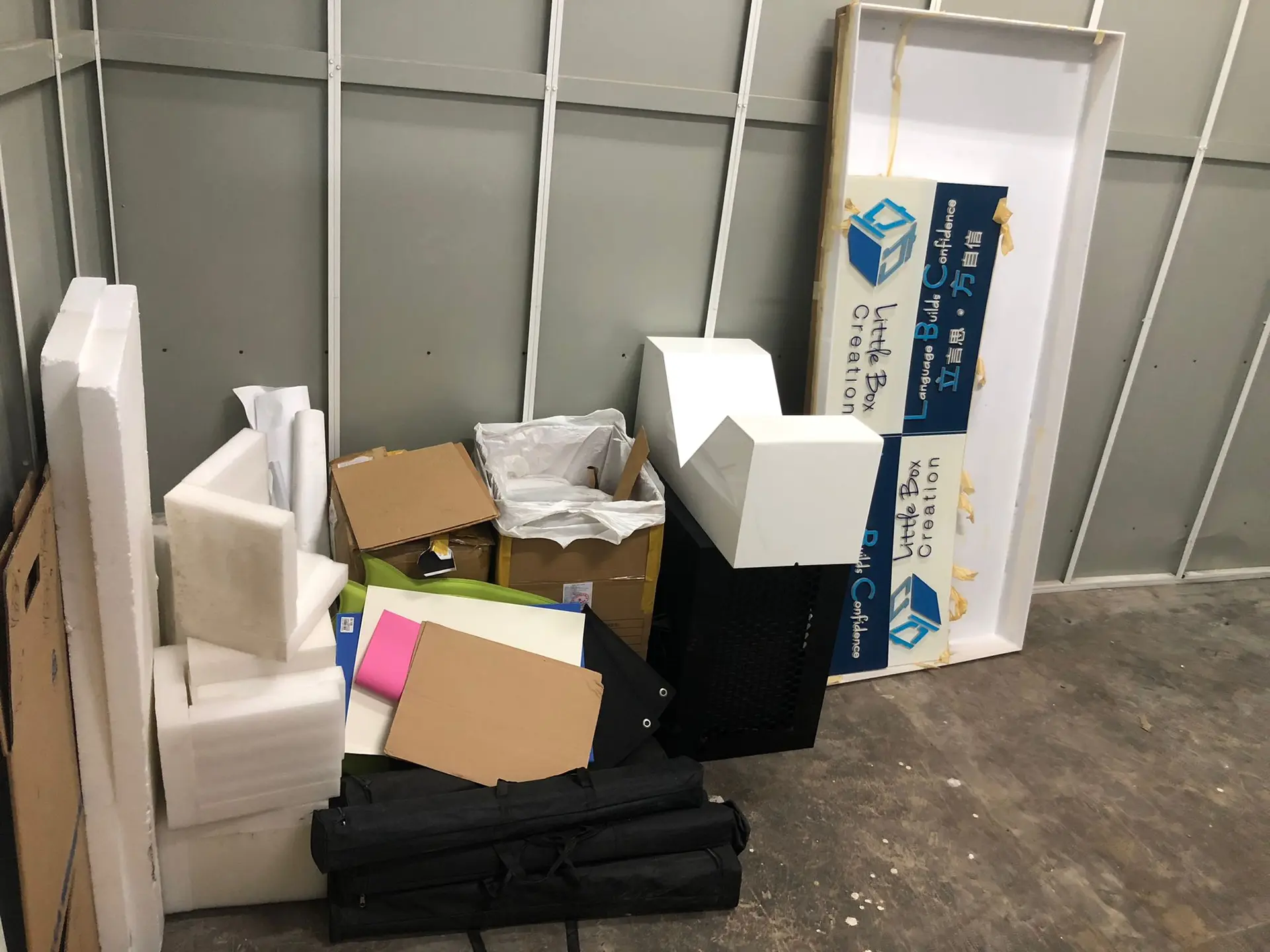
When we clear a home, our crew separates materials on-site or at our sorting point. Metal goes one direction. Wood another. Items in reusable condition get routed into second-hand channels where possible. What can't be recycled goes to licensed intermediaries who do further sorting before it reaches incineration.
That's the honest version. No fairy tale about your old IKEA Billy bookshelf becoming a park bench.
Reuse Routing — What Actually Gets a Second Life
Not everything is junk. In our experience, roughly one in five items we collect still has functional life. A working washing machine. A solid teak dining table from the 1970s. A sofa with no structural damage.
We route reusable items into second-hand channels where possible. This isn't charity — it's practical waste reduction. An item that finds a new home is an item that doesn't burn.
But we won't pretend everything gets reused. That stained mattress from 2009? It's going to incineration. The particleboard wardrobe with water damage? Same. Being honest about what can and can't be salvaged is part of responsible disposal.
The Incineration Reality
Singapore incinerates the majority of its non-recyclable waste. The ash goes to Semakau. This isn't failure — it's the current infrastructure reality. Any service claiming they "never send anything to landfill" is either lying or doesn't understand how Singapore's waste system works.
What matters is minimising the volume that reaches incineration by extracting every recyclable and reusable component first. That's the real work. It's less glamorous than a "zero waste" badge, but it's honest.
Red Flags: Questions to Ask Any Disposal Service
Here's your greenwashing detection kit. Ask these before booking:
1. "Where specifically do my items go after pickup?" A credible answer names the process: "We sort materials and route them through licensed intermediaries for recycling or proper disposal." A vague answer — "We handle everything responsibly" — tells you nothing.
2. "Do you sort materials, or does everything go on one truck to one place?" Single-stream disposal (everything mixed together) means nothing gets recycled. If a service can't describe their sorting process, they probably don't have one.
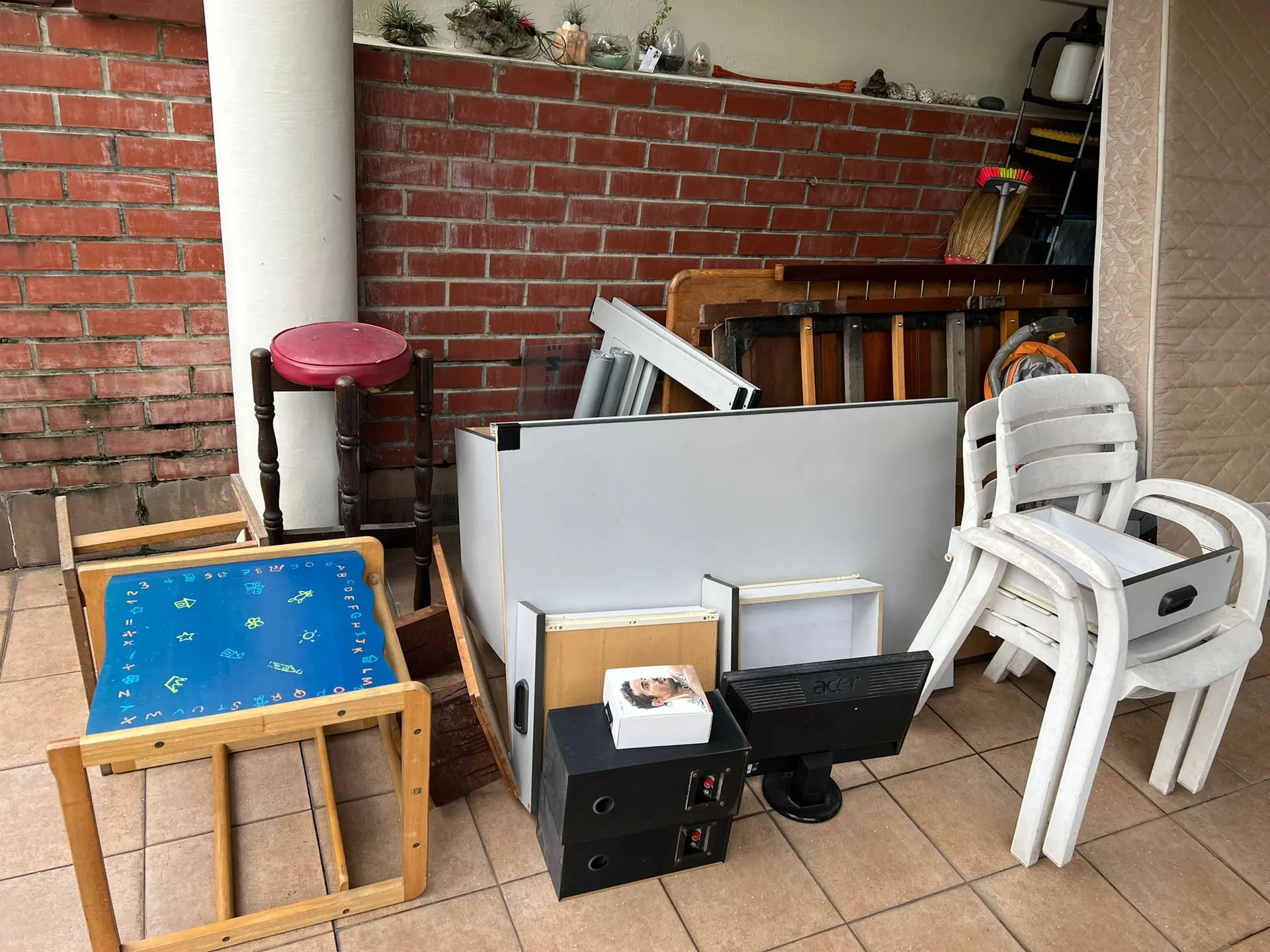
3. "What happens to e-waste items like old TVs and computers?" E-waste requires routing through proper recycling channels — not general waste trucks. If a service treats your old monitor the same as a broken chair, that's a problem.
4. "Can you tell me what percentage of items you divert from incineration?" Honest answer: "We don't have exact figures but we sort and channel recyclables wherever possible." Dishonest answer: "We recycle 95% of everything!" Nobody in Singapore hits those numbers without owning processing infrastructure.
Common Surprises From a Decade of Clearing Homes
Town council pickup isn't the free alternative people think it is. HDB town councils will collect bulky items — but only if you've dismantled them first. That intact wardrobe? They won't take it whole. You need to break it down yourself, schedule collection on their designated days, and bring it to the collection point. For many households, especially elderly residents or families mid-renovation, that's not realistic.
Vintage solid wood is heavier than modern furniture. We've cleared flats in Ang Mo Kio with 1950s teak wardrobes that took three crew members to manoeuvre through narrow HDB corridors and into standard passenger lifts. These pieces are genuinely heavy — 80kg or more — and the logistics of getting them from a 10th-floor flat to our truck involve careful planning around lift dimensions and corridor turns.
"Eco-friendly" doesn't mean "more expensive." Some services charge a premium for green claims without doing anything differently. Sorting materials and routing recyclables is just good operational practice. It shouldn't cost you extra. Our quotes reflect the job scope — volume, access difficulty, timing — not a sustainability surcharge.
Mini-FAQ
Q: Does eco-friendly disposal take longer than regular disposal? No. From your perspective, the process is identical — we show up, clear your items, leave the space clean. The sorting and routing happens on our end after collection. Your timeline isn't affected.
Q: Can I request that specific items be donated or reused rather than disposed? Yes. Let us know during the quoting stage. If an item is in reusable condition, we'll route it into second-hand channels where possible. We can't guarantee placement — that depends on demand — but we'll prioritise reuse for anything functional.
Q: Do surcharges apply for eco-friendly disposal? Our standard service includes material sorting and responsible routing. Surcharges may apply for after-hours pickups, Sundays, public holidays, or walk-up buildings without lift access — these are confirmed at quote stage and relate to logistics, not sustainability.
Ready to Clear Responsibly?
No vague promises. No greenwashing. Just honest disposal with proper material sorting and responsible routing.
Send us photos of what needs clearing via WhatsApp. We'll give you a free quote — typically within the day — and explain exactly how we'll handle your items.
WhatsApp us at 9888 1292 — send a few photos and we'll take it from there.