Previous Tenant Left Furniture Behind? Here's What Singapore Landlords and New Tenants Actually Do
By Junk Value Team
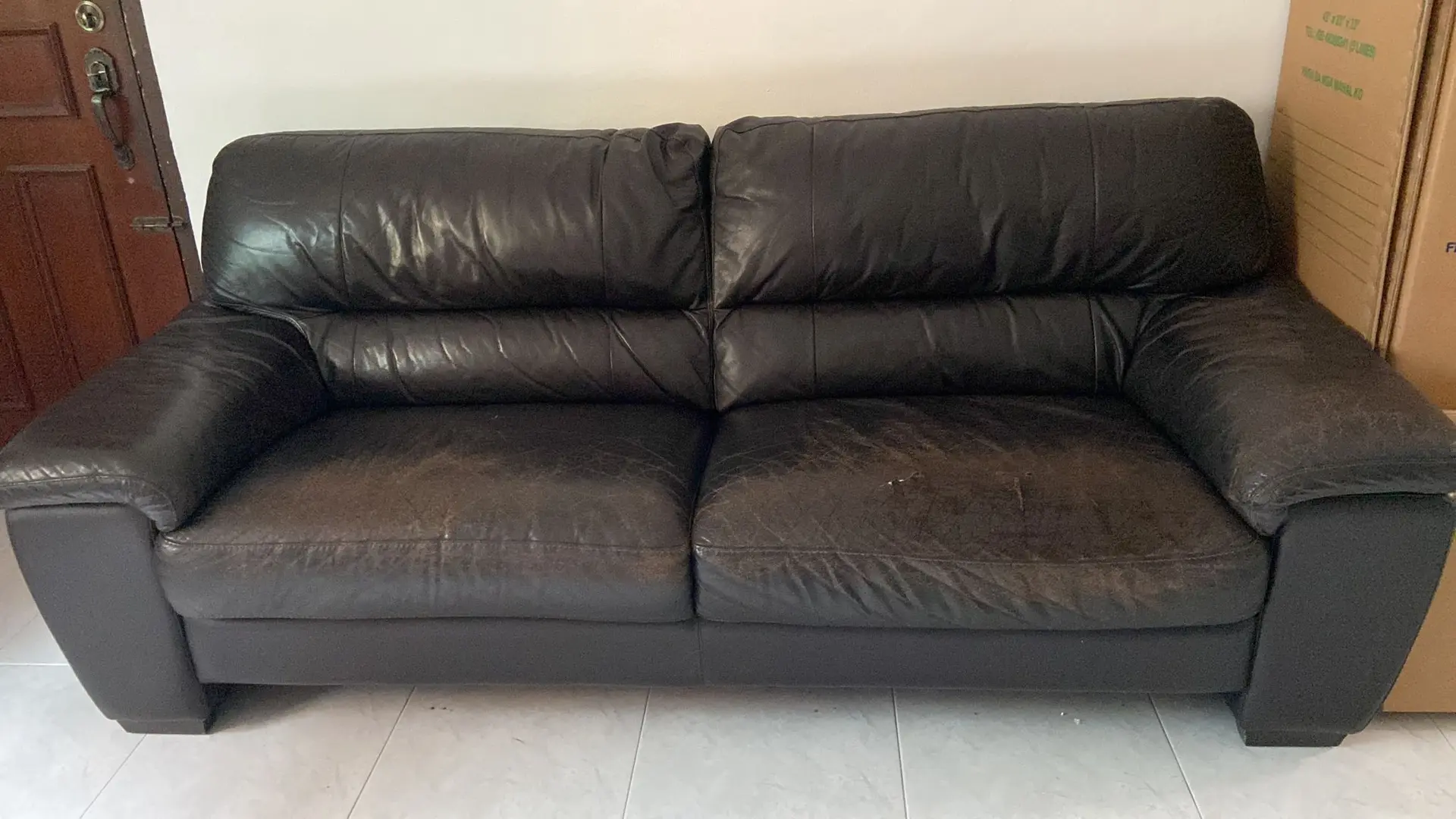
You unlock the door to your condo unit. The previous tenant's lease ended last week. And there it is — a sagging sofa in the living room, a dining table nobody wanted, bar stools shoved into the corner, and a wardrobe that clearly wasn't worth shipping home.
It happens more often than you'd think. In our 10+ years clearing Singapore rental units, we've seen this scenario play out dozens of times a year — particularly in condo clusters popular with expat tenants who relocate on short notice. The unit needs to be ready for the next occupant, or for your own move-in. And that abandoned furniture is now your problem.
Here's the practical breakdown of what to do next.
What Your Tenancy Agreement Probably Says
Most Singapore residential tenancy agreements include a reinstatement clause. This typically requires the outgoing tenant to return the unit in its original condition — which means removing all personal belongings and any furniture they brought in.
If a planned, cost-conscious clearance is what you're after, that's the lane residential pickup runs in: photo quote first, no surprises on the day.
The reality? Enforcement is another matter entirely.
If the tenant has already left Singapore or simply gone silent, your options narrow quickly:
-
Offset against the security deposit. If you're the landlord and you're still holding the deposit, the cost of clearing abandoned items can usually be deducted — provided your tenancy agreement allows it and you document everything with photos and receipts.
-
Attempt written notice. A reasonable step is sending a written notice (WhatsApp, email, or registered letter) giving the former tenant 7–14 days to collect their belongings. Keep screenshots. This protects you if there's a dispute later.
-
After the notice period — clear it. Once you've given reasonable notice and received no response, most landlords proceed with disposal. This isn't formal legal advice, but it's standard practice across Singapore's rental market.
The key point: don't wait indefinitely. Every week that unit sits full of someone else's junk is a week of lost rental income — or a week you can't move in.
The Real Cost of Waiting
Here's what we've seen landlords lose by hesitating:
- Rental void. Every extra week the unit sits empty is rent you're not collecting — on a Singapore condo, that adds up fast.
- Next tenant's patience. If you've already signed a new lease and the unit isn't cleared, you risk starting that relationship on the wrong foot — or worse, breaching your own handover timeline.
- Pest issues. Abandoned mattresses and upholstered furniture left in closed, un-airconditioned units attract cockroaches and dust mites fast in Singapore's humidity. We've cleared units where the sofa had become a small ecosystem.
How to Get the Unit Cleared — Practically
Step 1: Document Everything
Before anything moves, photograph every item the previous tenant left behind. Capture wide shots of each room and close-ups of individual pieces. This protects you whether you're deducting from a deposit or simply keeping records.
Step 2: Check What Your Condo Management Needs
Here's where condo clearances differ from HDB jobs. Every condo has its own MCST rules around:
- Lift booking for bulky item removal — most require advance booking of the service lift, sometimes 24–48 hours ahead.
- Approved disposal hours — typically weekday mornings, not weekends or evenings.
- Lift padding — some MCSTs require it for furniture removal. This is arranged between you and your building management directly.
Important: You, as the owner or tenant, need to handle these approvals with your management office before the disposal crew arrives. We don't liaise with building management on your behalf — rules differ per building, and only the registered owner or occupant has the authority to make these requests.
For HDB flats, logistics are different. There's no service lift — items go through the standard passenger lift or down the stairwell. Narrow corridors and tight lift dimensions mean some pieces need dismantling before they'll fit out the door.
Step 3: Get a Quote and Schedule the Clearance
Send us photos of what's been left behind via WhatsApp. We'll give you a free quote based on volume, item types, and access conditions. Most jobs can be scheduled within 24–48 hours of confirmation — though surcharges may apply for after-hours, Sundays, or public holidays.
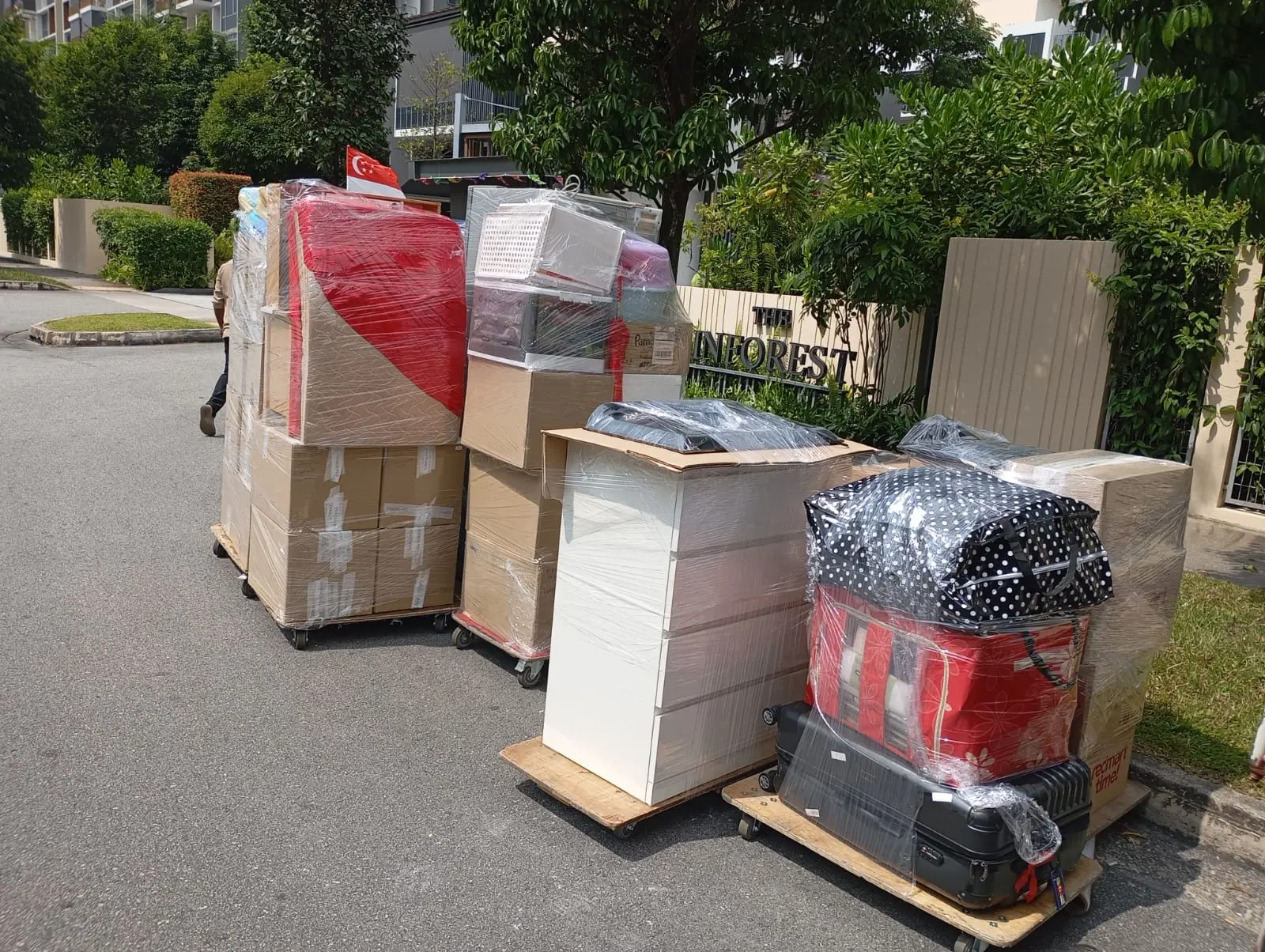
We handle the dismantling. That wardrobe the tenant left? We'll break it down on-site. The L-shaped sofa wedged into the living room? Same thing. You don't need to touch it. When the unit's been left fully furnished, our whole-unit clearance service empties it in one go so you can hand it over ready for the next occupant.
Where items are still in reusable condition, we route them into second-hand channels where possible. The rest goes through proper disposal and recycling intermediaries.
Common Mistakes We See After 10+ Years
Assuming the town council will just collect it. For HDB residents, yes, town councils do offer bulky-item collection — but only if you've dismantled the items first. They won't take a whole wardrobe or an intact sofa. And scheduling can take days. If you're on a tight handover timeline, this rarely works.
Not checking the tenancy agreement wording. Some agreements specify that certain fitted items (curtain rods, light fixtures) were provided by the landlord. Before you dispose of everything, confirm what was originally yours versus what the tenant added.
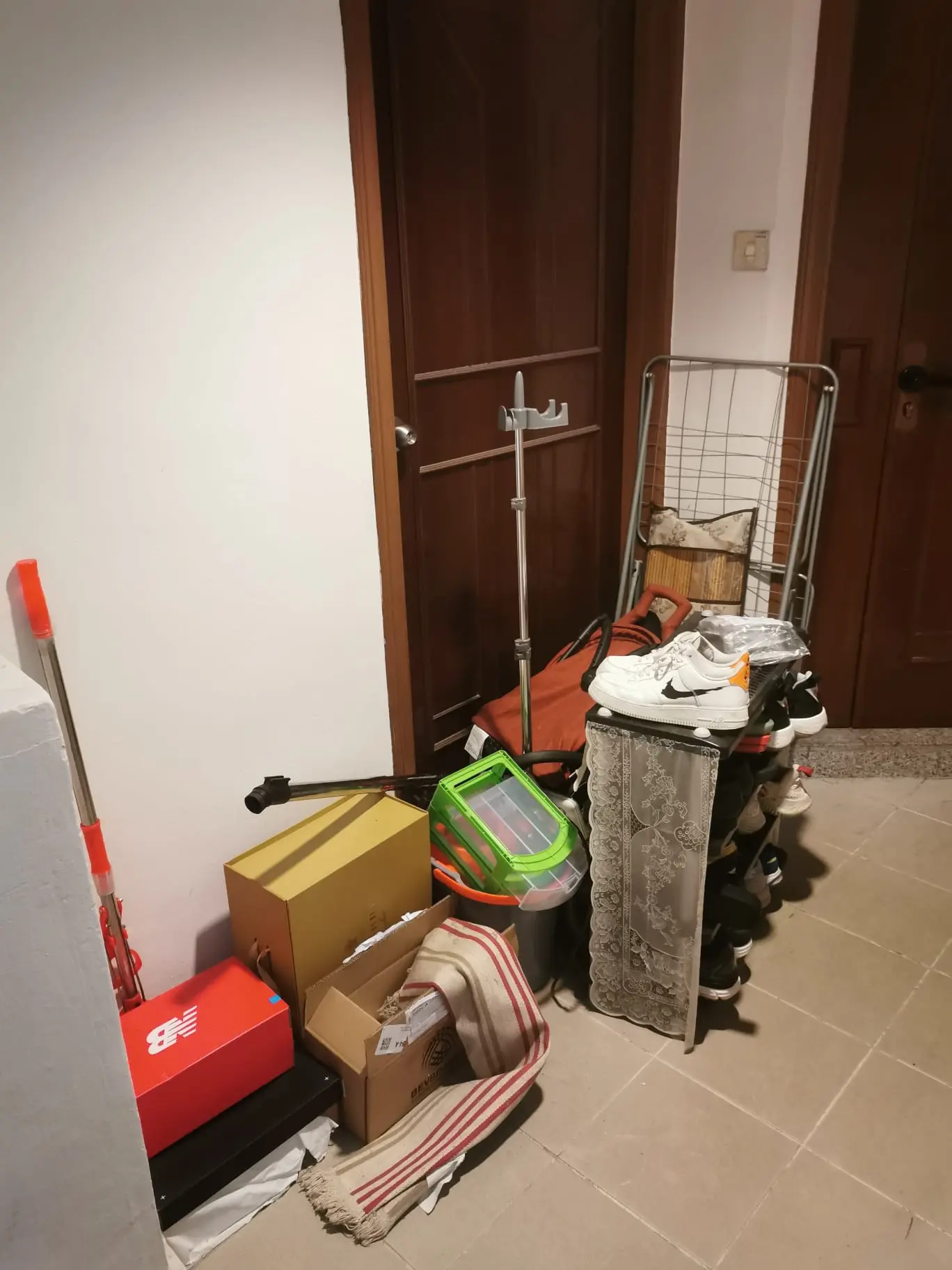
Underestimating volume. "Just a few pieces of furniture" often turns into a full lorry load once you add the stuff hidden in storerooms, bomb shelters, and balcony cabinets. Send photos of everything — including what's behind closed doors — for an accurate quote.
FAQ
Q: Can I throw the tenant's belongings away immediately after they leave? Practically speaking, most landlords send a written notice first and wait 7–14 days. This isn't a legal requirement we can define for you, but it's the standard approach that protects both parties. Document everything with photos before disposal.
Q: What if the items are valuable — antique furniture, electronics, etc.? Same principle applies. Document, notify, wait a reasonable period. If unclaimed, you proceed with clearance. We don't pay for items collected — this is a disposal service, not a buyback — but reusable items get routed into second-hand channels rather than going straight to landfill.
Q: How fast can you clear a full condo unit? Depends on volume and access. A typical 2-bedroom condo with a living room's worth of abandoned furniture can often be cleared in a single session. We'll confirm timing at the quote stage — urgent requests are subject to availability and may incur additional charges.
Ready to Reclaim Your Unit?
Stop losing rental days to someone else's junk. WhatsApp us at 9888 1292 with photos of what's been left behind, and we'll get back to you with a free quote.
It's fast. It's clean. It's done.